New dry toilets installed
Nov. 3, 2026 Territory

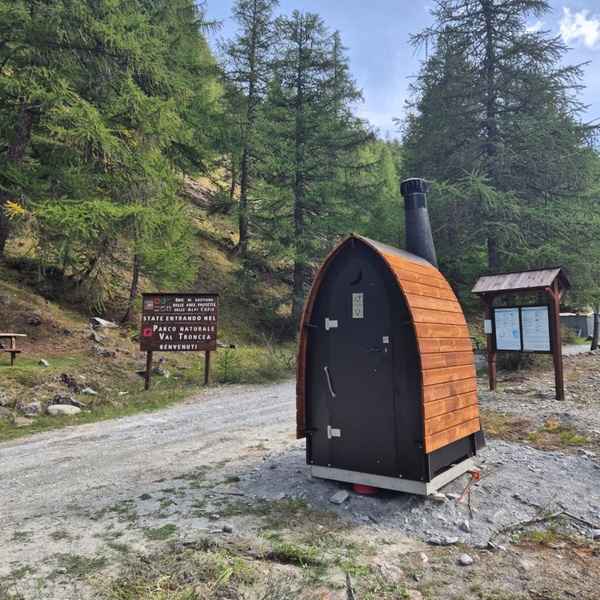
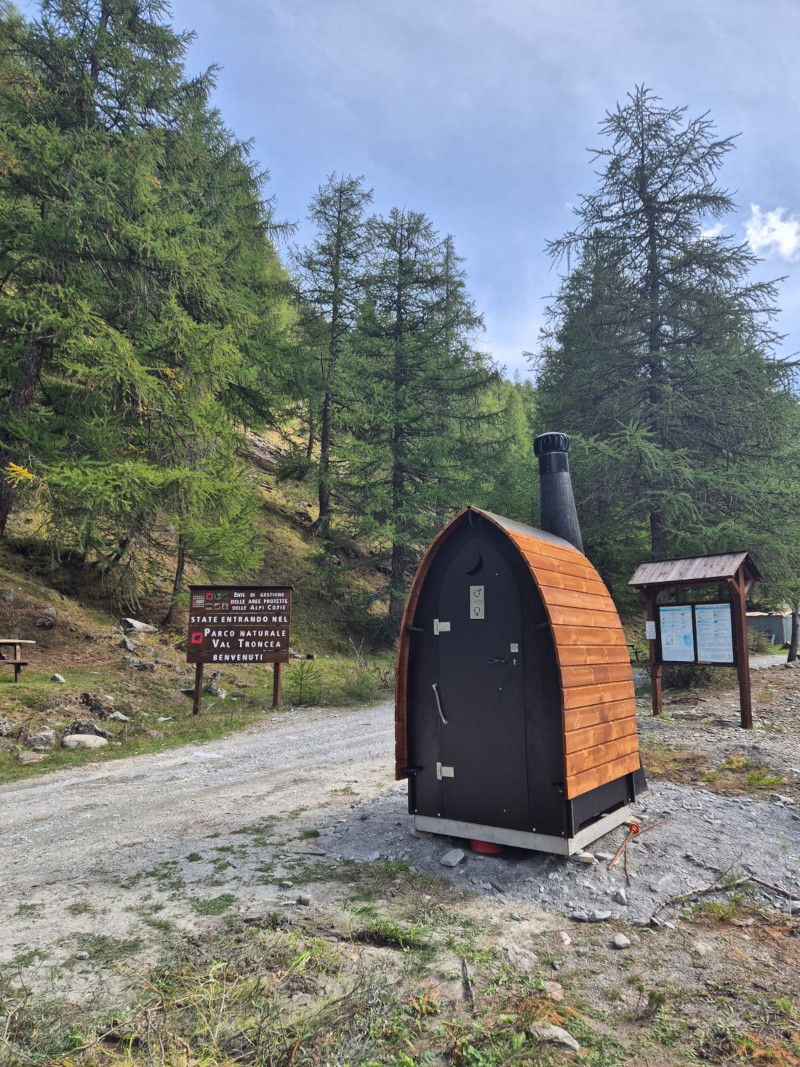
The dry toilet located at the parking lot at the junction for the Seytes hamlet, in the Natural Park of Val Troncea.
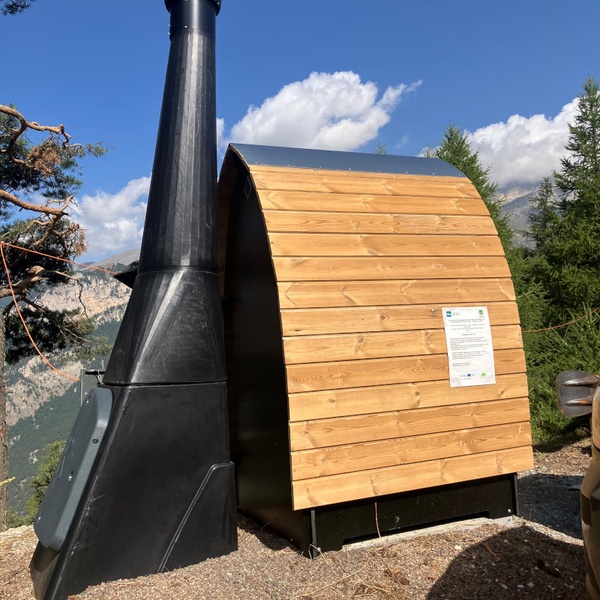
The dry toilet installed at Ser Blanc.
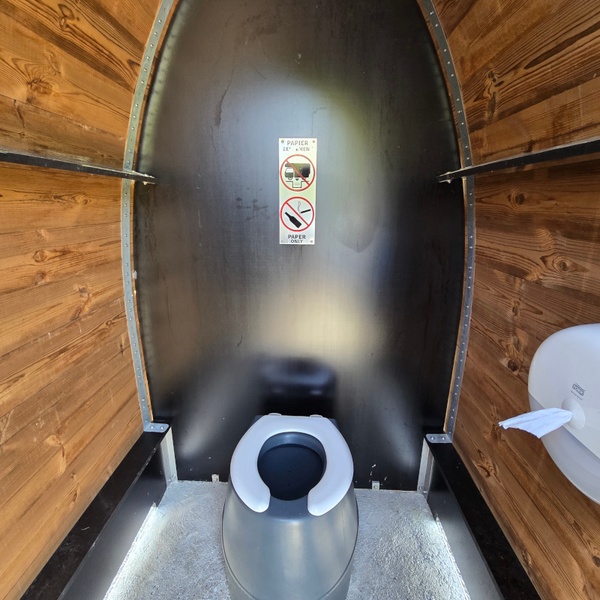
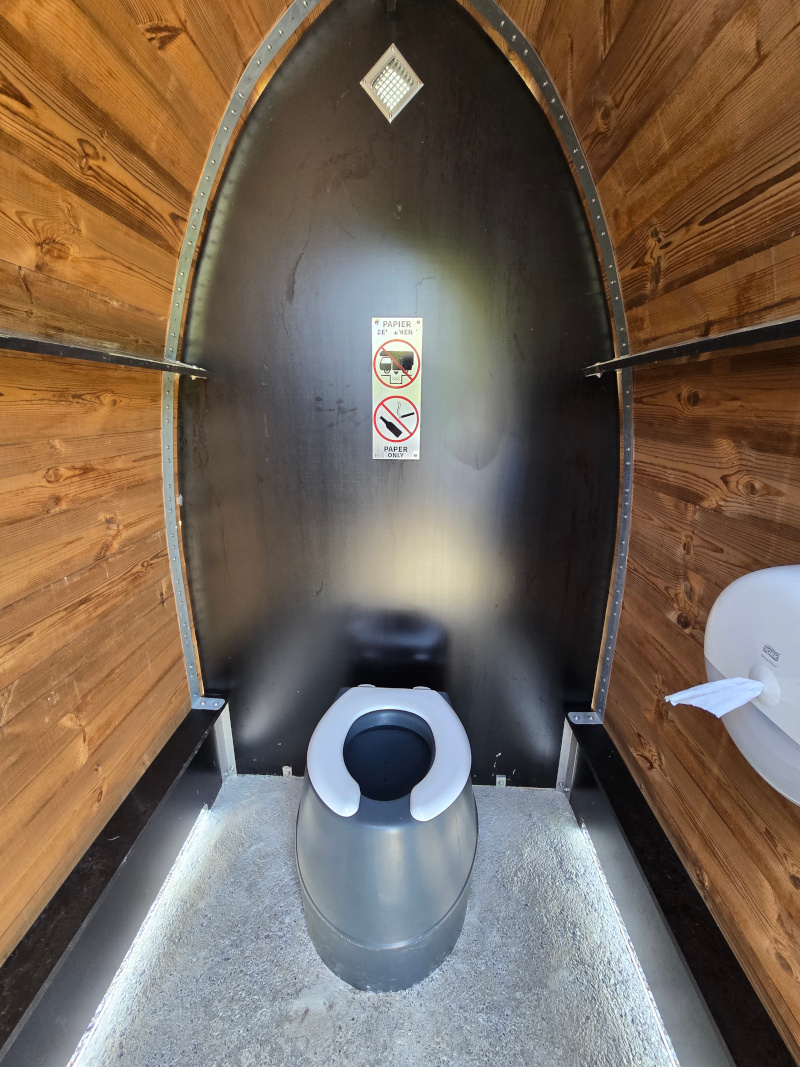
The interior of the dry toilet.
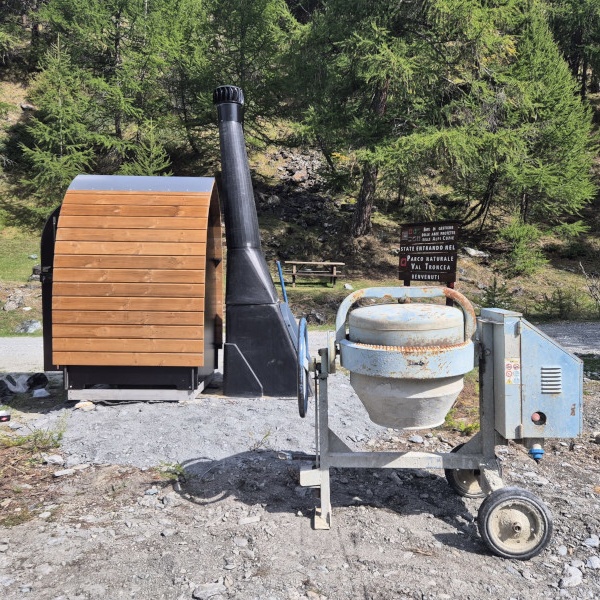
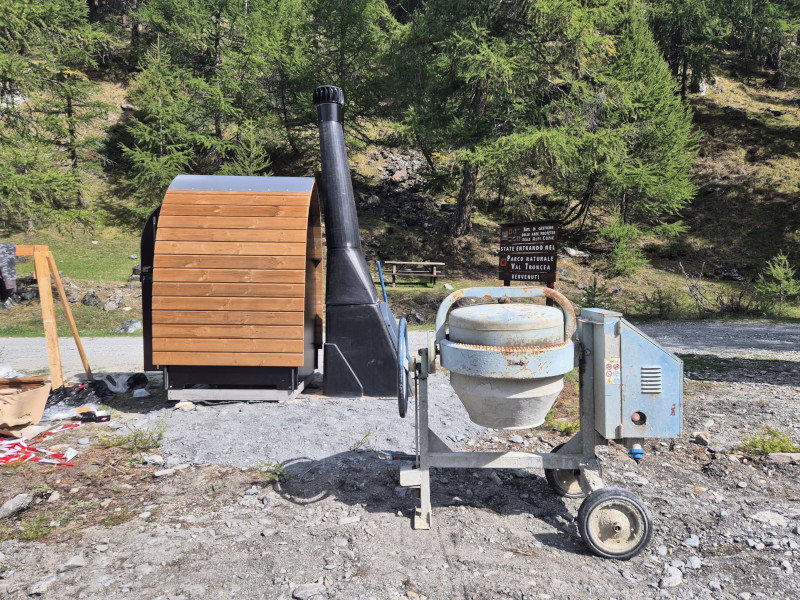
The installation work of the dry toilet located at the parking area at the junction for the Seytes village, in the Troncea Valley Natural Park.
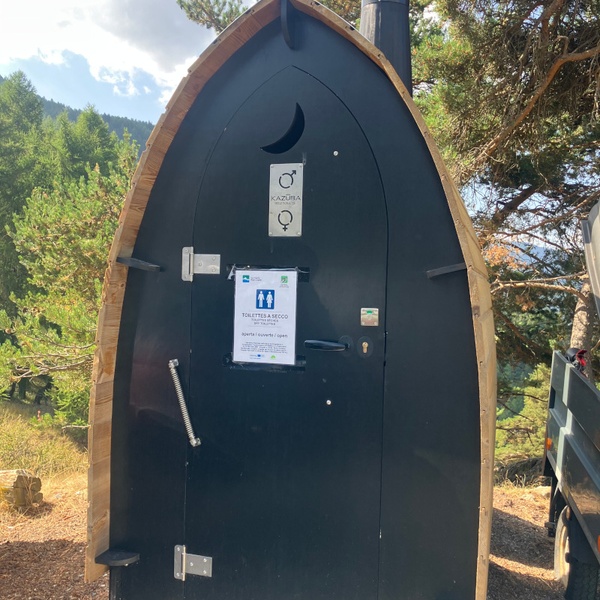
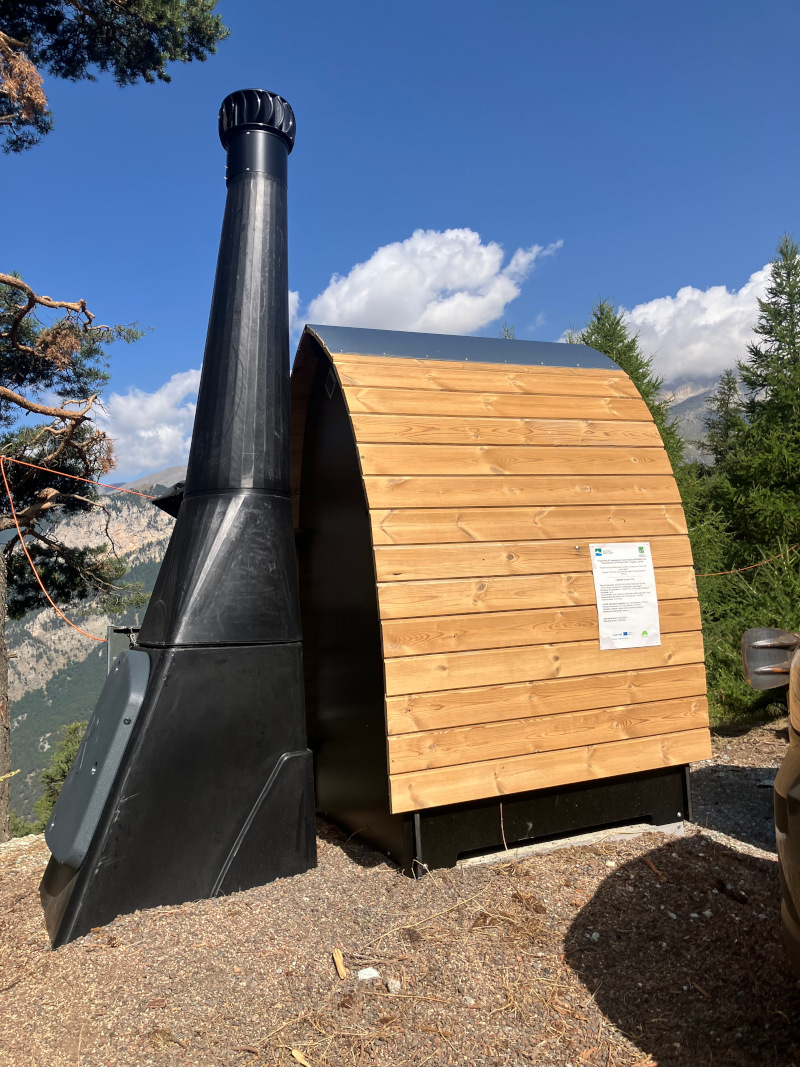
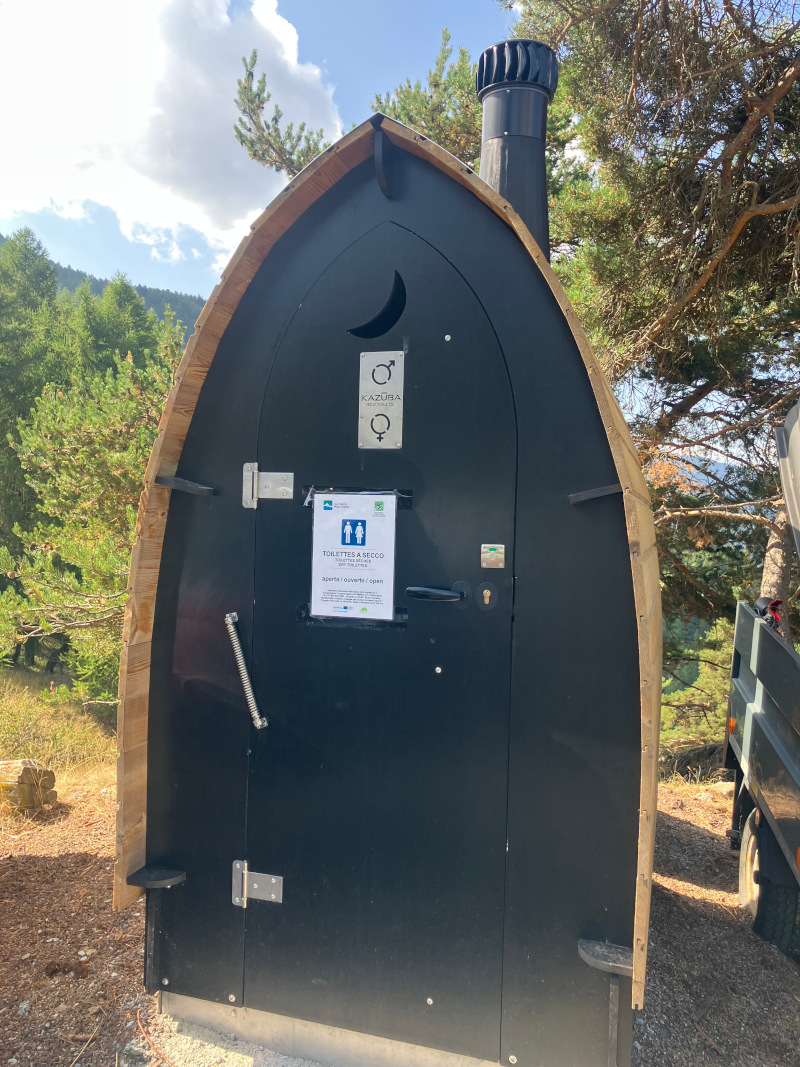
A front view of the dry toilet.
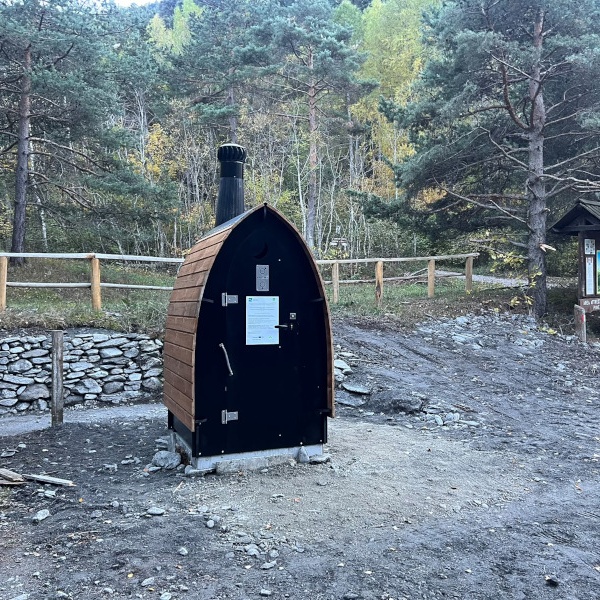
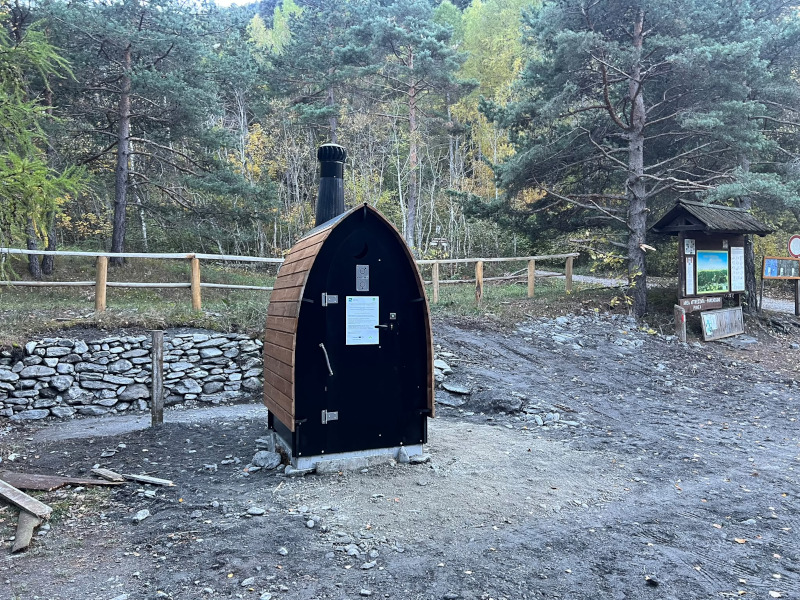
The dry toilet located at the equipped area of Pinea in the Gran Bosco di Salbertrand Natural Park.
The dry toilet located at the parking lot at the junction for the Seytes hamlet, in the Natural Park of Val Troncea. - A. Meirone
The dry toilet installed at Ser Blanc. - S. Bobbio
The interior of the dry toilet. - N. Faure
The installation work of the dry toilet located at the parking area at the junction for the Seytes village, in the Troncea Valley Natural Park. - A. Meirone
A front view of the dry toilet. - S. Bobbio
The dry toilet located at the equipped area of Pinea in the Gran Bosco di Salbertrand Natural Park. - N. Faure
Probably those who passed through the Info Point of Ser Blanc in the Gran Bosco di Salbertrand Natural Park during the summer of 2026 will have noticed a charming little house located right at the beginning of the parking lot, in a point that is – moreover – quite panoramic, once spoiled by an unsightly plastic chemical toilet. And, presumably, someone may have even used it because it is a new and innovative model of dry public toilet that is highly ecological as it does not require the use of water, chemical additives, or electricity and produces waste that can be disposed of in the organic waste collection.
Starting from the current autumn, two more have been installed in the Parks of the Cozie Alps at the parking area at the junction for the Seytes hamlet in the Val Troncea Natural Park and at the Pinea equipped area in the Gran Bosco di Salbertrand Natural Park.
Why?
Talking about it may make some smile and others wrinkle their noses, but it can have a positive impact on the decorum of an area and, ultimately, also on its ecological balances. For a Park Authority, it is essential to provide its numerous visitors with a place to address urgent needs, as an alternative to meadows and woods where hygiene issues could arise not only concerning other human users but especially towards animals and plants that are protected in an area. Thanks to the funds from the Interreg Alcotra BiodivTourAlps Project aimed at reducing the impact generated by the tourist presence on the environment in protected areas, it was decided to purchase the three recently installed models, which combine ease of use, cleanliness (with the cooperation of all users), aesthetic appeal, and high ecological value. This also generates a resource savings for the administration of the Cozie Alps Parks because the new owned structures replace the chemical toilets that were previously rented.
But how do they work?
The peculiarity of these models is that they are fundamentally 0-impact. They are equipped with a chimney that activates a spontaneous air circulation producing a double benefit: the elimination of bad odors and the acceleration of the natural biological decomposition process of waste. Specifically, the liquid and solid components are separated in the tank of the structure where the air flow, through drying and evaporation, reduces the concentration of germs, toxins, and parasites while simultaneously activating the aerobic bacteria responsible for composting. In a short time, the Park Authority staff can proceed with the disposal of the residues which are considered equivalent to organic waste. The entire process takes place without the use of electricity, water, and, above all, without the synthetic additives commonly used in chemical toilets.
You might also be interested in...
- campaign Climate change is pushing birds higher.
- campaign Val Troncea: divieto di attività alpinistica in area di pregio naturalistico
- campaign The Alpine Carabid in the IUCN Red List
- campaign Drops of change in the Cozie Alps Parks
- campaign Chiusura strada comunale della Val Troncea da Fournet a Alpe Meys
- campaign Three projects dedicated to water in the Cozie Alps Parks
- campaign Parks and tourism: the BiodivTourAlps conference
- campaign BiodivTourAlps: 4 webinars on the management of tourist flows in protected areas
- campaign Towards the Area Plan of the Val Troncea Natural Park
- campaign The migrations of ibexes and climate change