A refuge for research
Oct. 20, 2026 Research

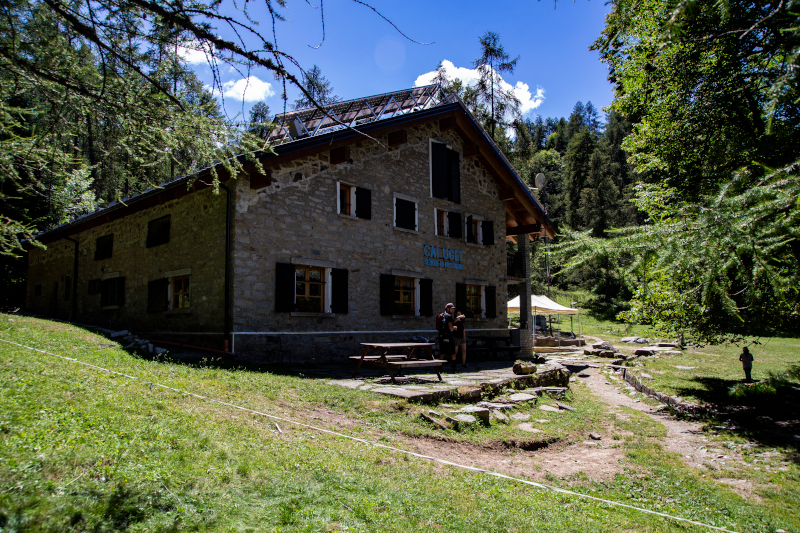
A view of the Amprimo refuge.
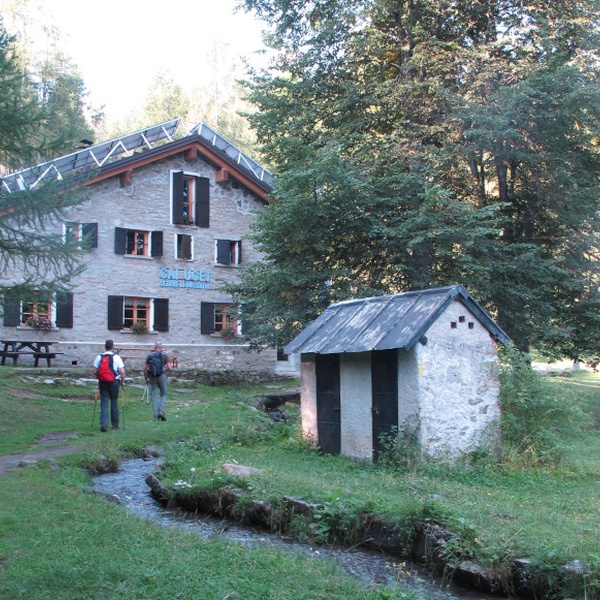
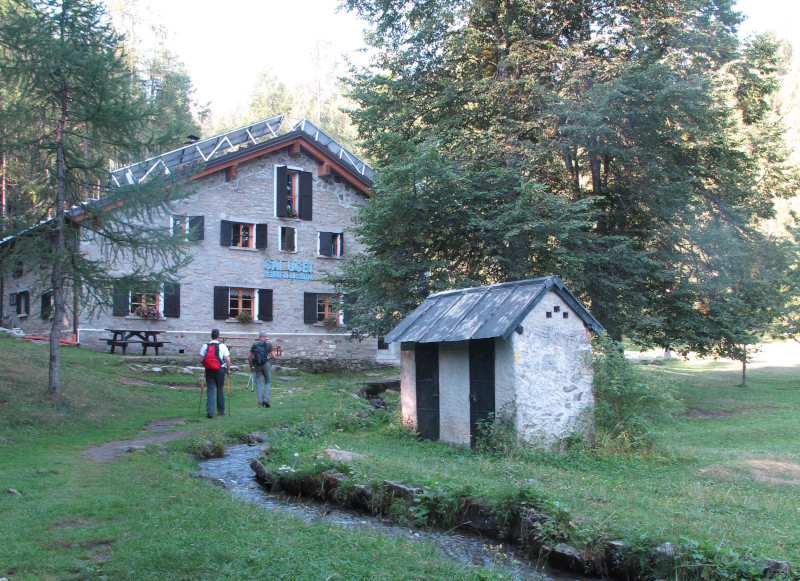
The Amprimo refuge at Pian Cervetto.
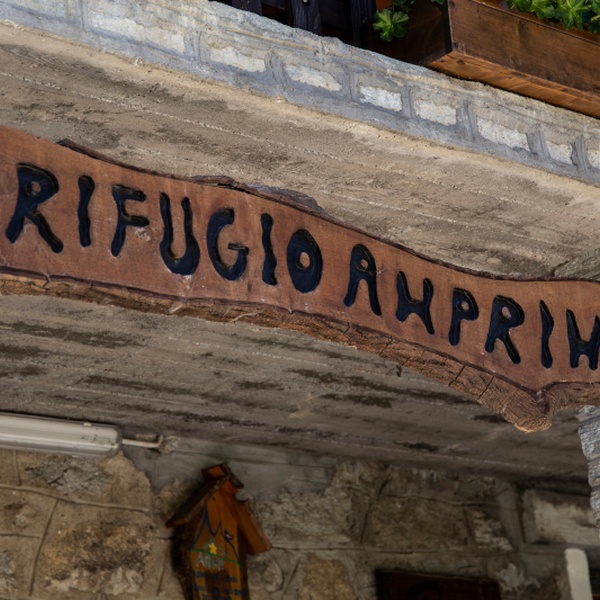
A view of the Amprimo refuge. - Arch. Parchi Alpi Cozie
The Amprimo refuge at Pian Cervetto. - S. Molino
Arch. Parchi Alpi Cozie
Traditionally, the refuge is the place where hikers and climbers are welcomed, where useful information about weather and terrain conditions can be received before exploring, and where help can be provided in case of need. A recent initiative by the managers of the Onelio Amprimo refuge, in the Orsiera Rocciavré Natural Park, expands this concept by offering concrete support not only to those visiting the mountains for leisure but also for scientific study.
Hosting Researchers
The idea, launched last August by the managers, is an invitation directed at professors, researchers, PhD students, and students: the refuge is available to host for free anyone wishing to develop a research project to be carried out in the mountainous area where the structure is located. Applications must be submitted by January 30, 2027, activities should take place in the spring-summer of 2027, and must include a moment of feedback at the refuge at the end of the study.
“It all comes from our deep love for these mountains – begins Irene Canale, who manages the refuge together with partner Lorenzo Salerno – and from our desire to give back something to these wonderful environments. I would like visitors to Amprimo and Pian Cervetto to come here not only to consume something, like a meal, a photo to share on social media, or a day outdoors, but with the aim of knowing and appreciating the territory and its peculiarities, even from a scientific point of view. I practically grew up here because my great-grandparents built a hut in the area in the 1930s, and I feel that the time has come to spread a shared awareness on the issue of climate crisis that particularly affects the mountains. The best way is to promote research and then involve scholars in the dissemination of results among the public and enthusiasts.”
The Projects
In a short time, Irene and Lorenzo have already received a large number of requests from scholars belonging to prestigious universities even from abroad and of high scientific level. A complex selection process will be necessary since the refuge can host only one researcher per project and no more than two projects simultaneously.
“This – continues Irene – was the idea we shared with Lorenzo from the first day we decided to participate in the Cai Uget call of Bussoleno for the allocation of the refuge, so we are very curious to see what kind of proposals will arrive. So far we have received all kinds: from studying the history of the forest through the ancient charcoal pits that once existed in the area to research on the genomics of fungi and lichens, from monitoring cyanobacteria to hydrological management of watercourses. And there are still 3 months until the deadline… It will also be a way to return to my previous work experience because I dealt with project management after obtaining a degree in engineering with a master's in climate change. In short, it will be a pleasure to analyze the different projects and then discuss with the researchers who will come to study our mountains.”
You might also be interested in...
- campaign The migrations of ibexes and climate change
- campaign Climate change is pushing birds higher.
- campaign Redevelopment of the Fontana della Gerpula Trail - Amprimo Refuge
- campaign Two projects approved for funding
- campaign Monitorare gli ortotteri: una sperimentazione nei Parchi Alpi Cozie
- campaign The Anthocharis euphenoides beyond yellow
- campaign The territorial distribution of mustelids in a study
- campaign Tick Project: monitoring activities year 2025
- campaign Il 5x1000 per la Ricerca Scientifica sulle zecche
- campaign Balthazar: storia di un gipeto