Three projects dedicated to water in the Cozie Alps Parks
Aug. 13, 2026 Territory

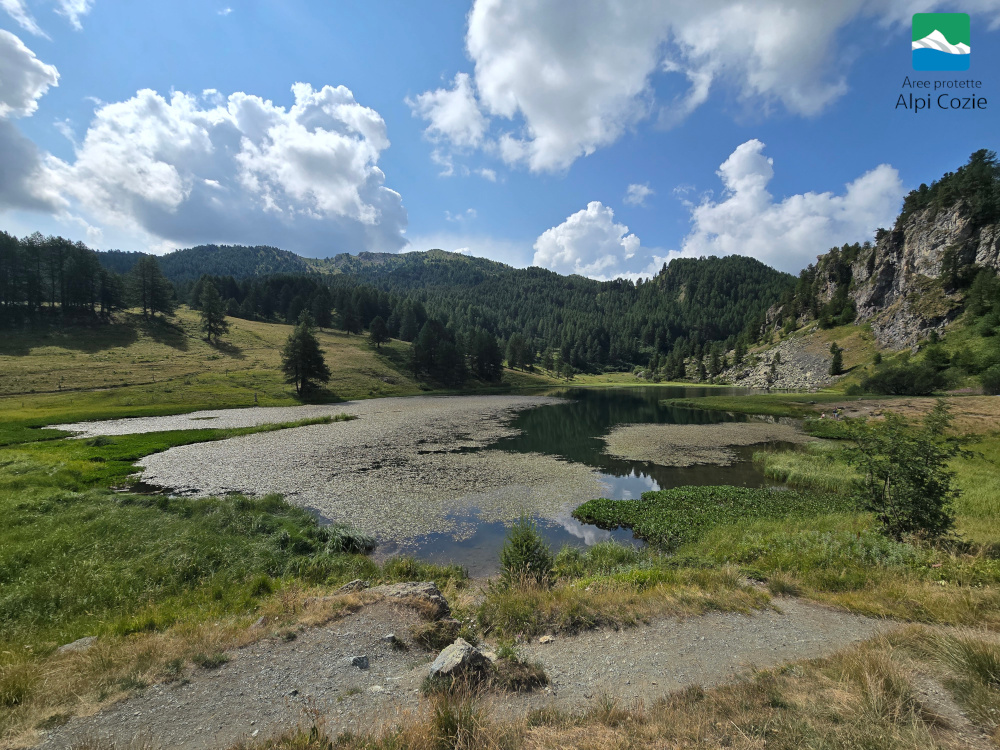
A view of Lake Nero, municipality of Cesana Torinese.
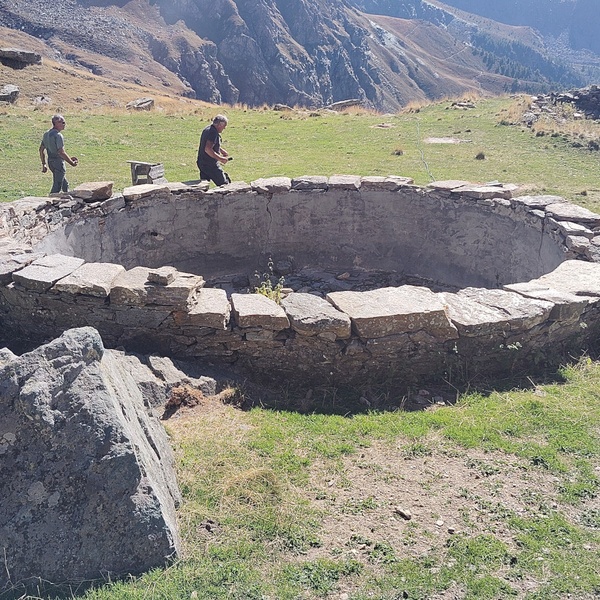
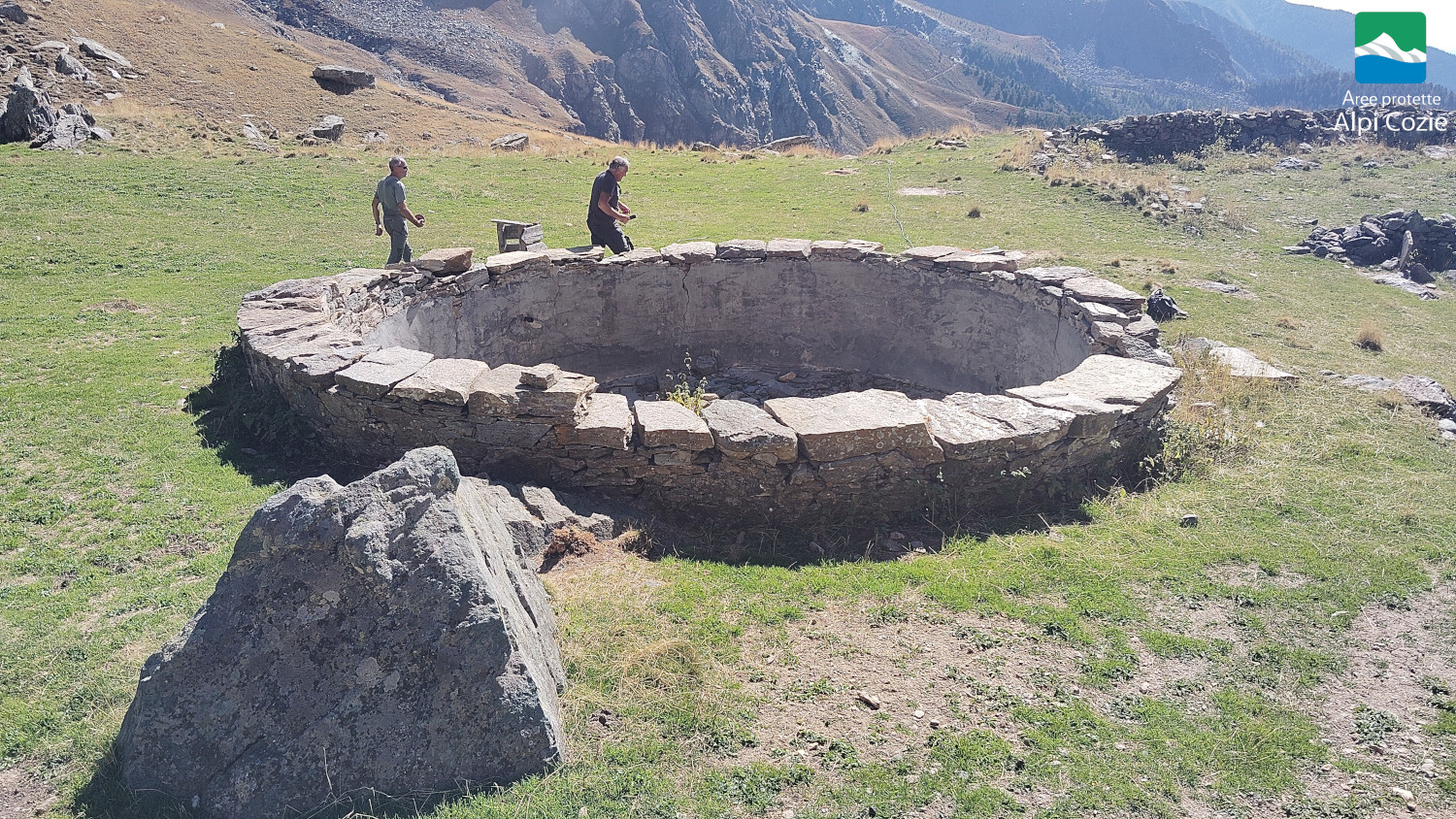
A collection basin of water now disused near the Bergerie del Ciardonnet, municipality of Roure. It will be restored as part of the Alcotra Aclimo project.
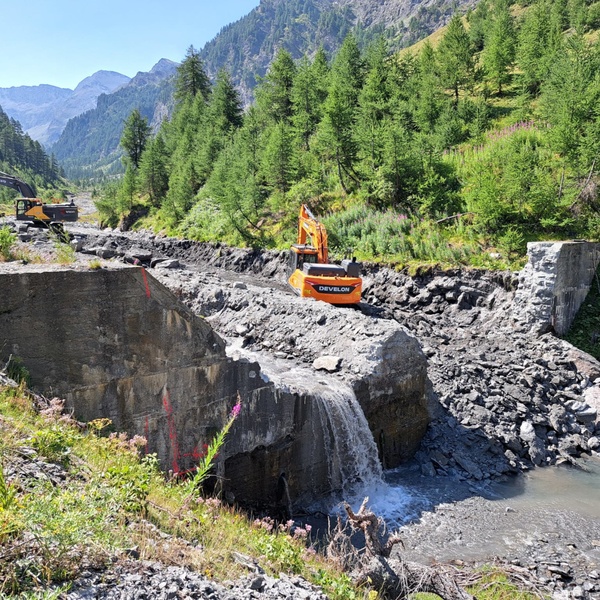
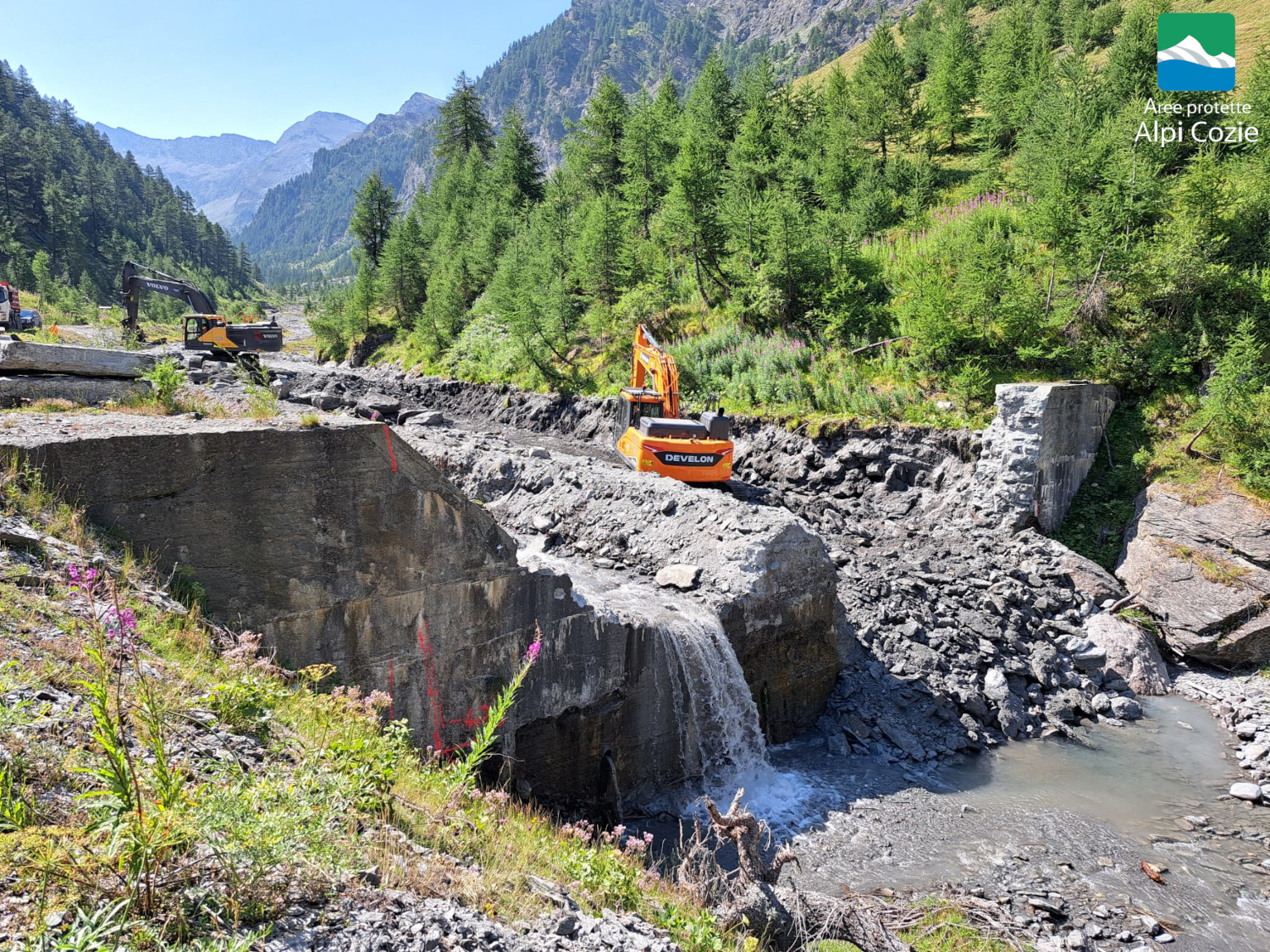
The river rehabilitation works along the Chisone stream in the Natural Park of Val Troncea.
A view of Lake Nero, municipality of Cesana Torinese. - Arch. Parchi Alpi Cozie
A collection basin of water now disused near the Bergerie del Ciardonnet, municipality of Roure. It will be restored as part of the Alcotra Aclimo project. - Arch. Parchi Alpi Cozie
The river rehabilitation works along the Chisone stream in the Natural Park of Val Troncea. - A. Meirone
During the summer of 2026, which is proving to be the hottest ever and one of the most drought-stricken in the western Alps, the Protected Areas Management Authority of the Cozie Alps is engaged in three main projects dedicated to water that, even in the mountains, is becoming an increasingly central theme from an ecological balance perspective and regarding the management of human activities at high altitudes, as well as the safety of those who inhabit and frequent the highlands.
Alpine lakes and wetlands
In the Alps, lakes and wetlands represent extraordinary contexts of high biodiversity, in addition to being valuable water storage basins, capable of hosting a multitude of animal and plant species that are profoundly different from those present in the surrounding territories. Within the Alcotra Aclimo project, of which the Protected Areas of the Cozie Alps are partners along with other park authorities from Piedmont, Aosta Valley, Liguria, and France, activities for study and conservation have been carried out on the Fontana Fredda, Foiron, and Lago Nero lakes in the area of the Natura 2000 Network Site Cima Fournier and Lago Nero, as well as on the Laus and Manica lakes in the Orsiera Rocciavré Natural Park.
During the summers of 2025 and 2026, the Parks of the Cozie Alps conducted a series of studies on the morphological and biological characteristics of the lakes, in collaboration with the Centro Bioaqua of the Experimental Zooprophylactic Institute of Piedmont, Liguria and Aosta Valley, and concerning the flora and fauna present in the surroundings. The goal is to develop a set of strategies to conserve the natural value of these extremely fragile environments in the face of the ongoing climate crisis characterized by less snowy winters and drier summers. The main aspect observed from the monitoring conducted on these alpine lakes is the high temperatures measured during the summer months – with anomalies up to 5 degrees higher than what should be expected – which favor the emergence of algal blooms. Additionally, the impact of the presence of fish species introduced mainly for fishing reasons should not be underestimated, as in natural conditions, glacial origin alpine lakes would be devoid of fish that, where present, exert significant pressure by preying on the eggs and larvae of amphibians and aquatic insects. Monitoring, meanwhile, has detected the presence of valuable plant and animal species that justify the adoption of protective measures, which are the next actions to undertake.
High pastures and livestock farming
During periods of great drought, media attention typically focuses on rivers and lowland agriculture, ignoring the dramatic consequences occurring in the mountains, particularly on a productive sector, livestock farming, which plays a very important role not only from an economic perspective but also in conserving ecological balances. The ancient tradition of summer transhumance has indeed shaped high-altitude environments and alpine meadows for centuries, promoting the development of particular ecosystems through the interaction between flora and fauna. In this context, the presence of water remains fundamental for both watering livestock as well as for the vegetation of the pastures, and last but not least, for cheese-making activities. The current absence of precipitation risks compromising pasture management, forcing shepherds to return livestock to the valley earlier than usual. A statutory goal of the regional Protected Areas is also the protection of traditional economic activities in the mountains precisely because they can generate positive returns on the economy of the territories and on environmental protection.
Still within the framework of the Alcotra Aclimo project, the Parks of the Cozie Alps have addressed the issue that is becoming increasingly crucial for identifying adaptation strategies to the climate crisis. As a first action, a catalog of good practices adopted in the pastures within the Parks and the Protected Areas project partners to counteract water shortages has been created. This is a booklet titled Adapting to Water Shortages in Pastures, which provides scientific information on the actual reduction of precipitation in the Alps, along with technical information, including economic assessments and analysis of pros and cons, on the various solutions to be adopted to increase the availability of water in the pastures and directly in the grazing areas. The goal also has an ecological significance to reduce the impact of livestock on alpine lakes and wetlands where they go to water, with often negative ecological consequences.
Upcoming activities will see a precise series of interventions at sample pastures to improve the efficiency and effectiveness of water management systems.
Rehabilitation of the Chisone riverbed
As regularly emerges after sudden floods and inundations, the effects of the climate crisis cause a generalized decline in precipitation and, at the same time, an intensification of extreme phenomena such as violent thunderstorms and torrential rains that concentrate in space and time, causing damage to hydrogeological structures and often resulting in casualties.
After a long planning phase, in the summer of 2026, work began on the river restoration of the Chisone stream aimed at restoring the naturalness of aquatic environments to increase the resilience of the affected territory to extreme hydrological events and to prevent the depletion of ecosystems. The project, presented by the Protected Areas of the Cozie Alps, is funded by the ERDF call from the Piedmont Region with a contribution from the Compagnia di San Paolo and the co-design of the Montana Union of Olympic Municipalities. The first lot is located in the Natural Park of Val Troncea where the replacement of old reinforced concrete weirs, built in the 1950s and now in precarious conservation status, is planned. These structures were meant to regulate the waters to prevent flooding events but simultaneously represented insurmountable barriers for fish fauna and obstacles to the development of riparian vegetation. Thanks to innovative natural engineering techniques, the riverbed will be reshaped with more natural solutions able to restore ecological connections while ensuring the safety of the riverbed even during sudden and extreme floods.
Press ReleaseYou might also be interested in...
- campaign Drops of change in the Cozie Alps Parks
- campaign Two days of discussion on water resource management
- campaign Drops of change at the Valsusa Filmfest
- campaign The final seminar of Aclimo: a report
- campaign Poisonous weeds for livestock: an increasingly common issue
- campaign Chiusura strada comunale della Val Troncea da Fournet a Alpe Meys
- campaign Monitoraggio ittico del Lago Nero
- campaign The migrations of ibexes and climate change
- campaign Climate change is pushing birds higher.
- campaign Cherz, the tracking dog of the Alpi Cozie Parks