The role of supervision in the work of park rangers
June 29, 2026 Territory

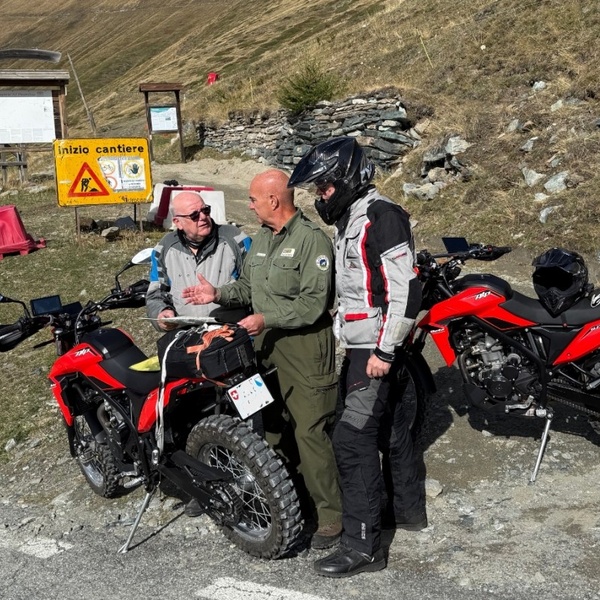
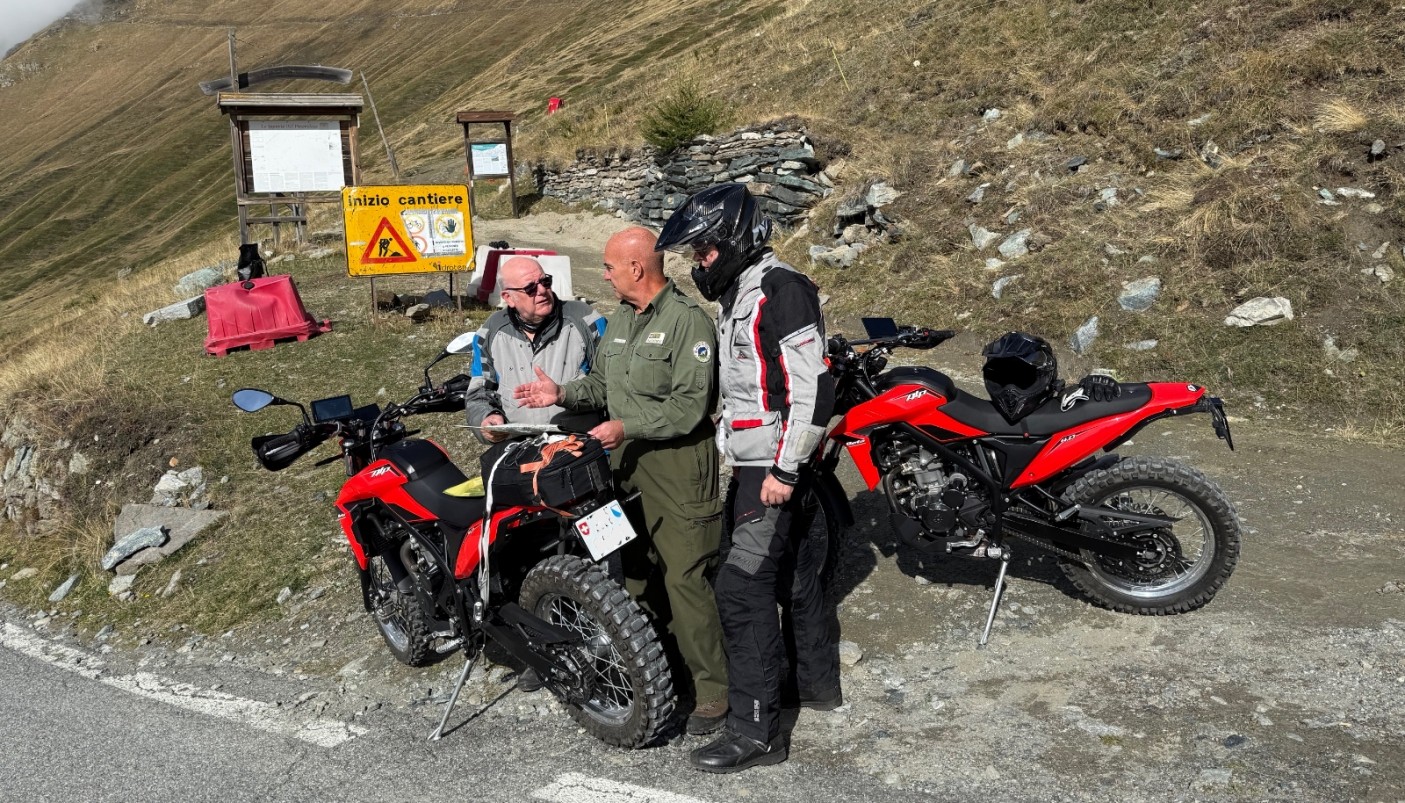
Luca Giunti informs two motorcyclists about the rules to be followed in the Parks.
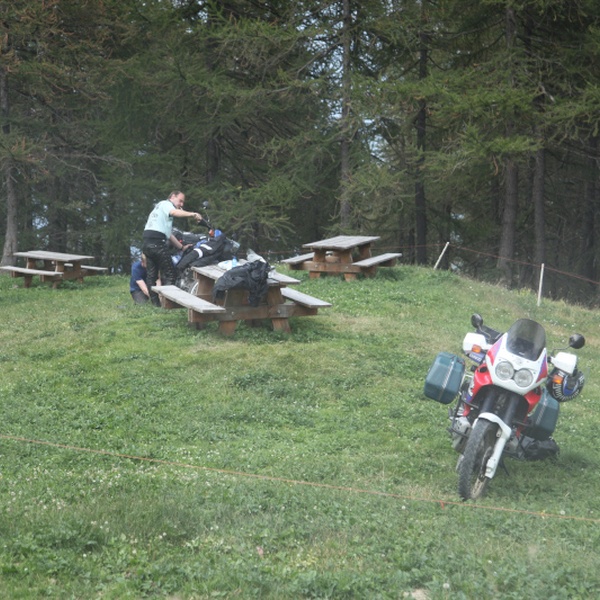
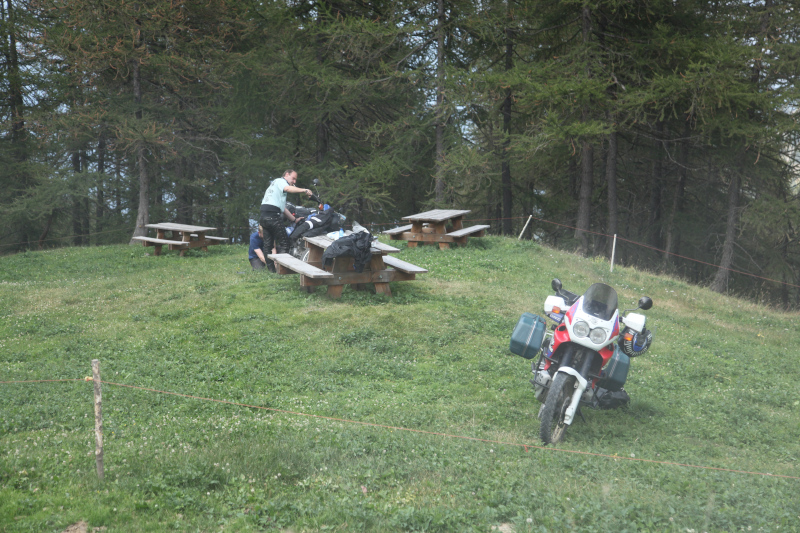
What if everyone did that?
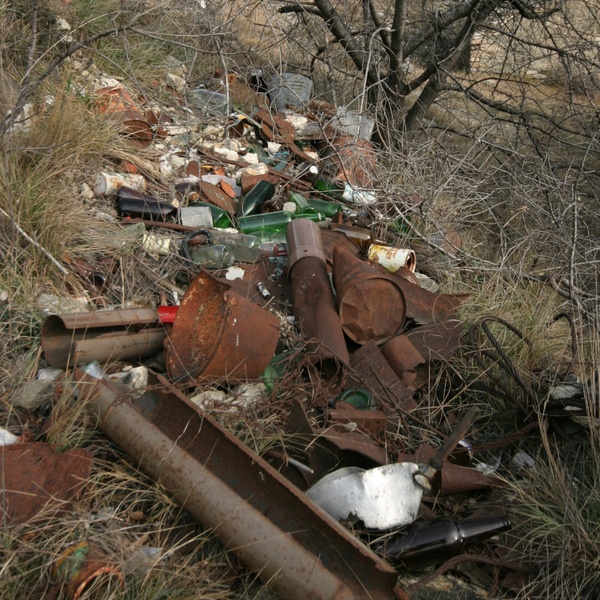
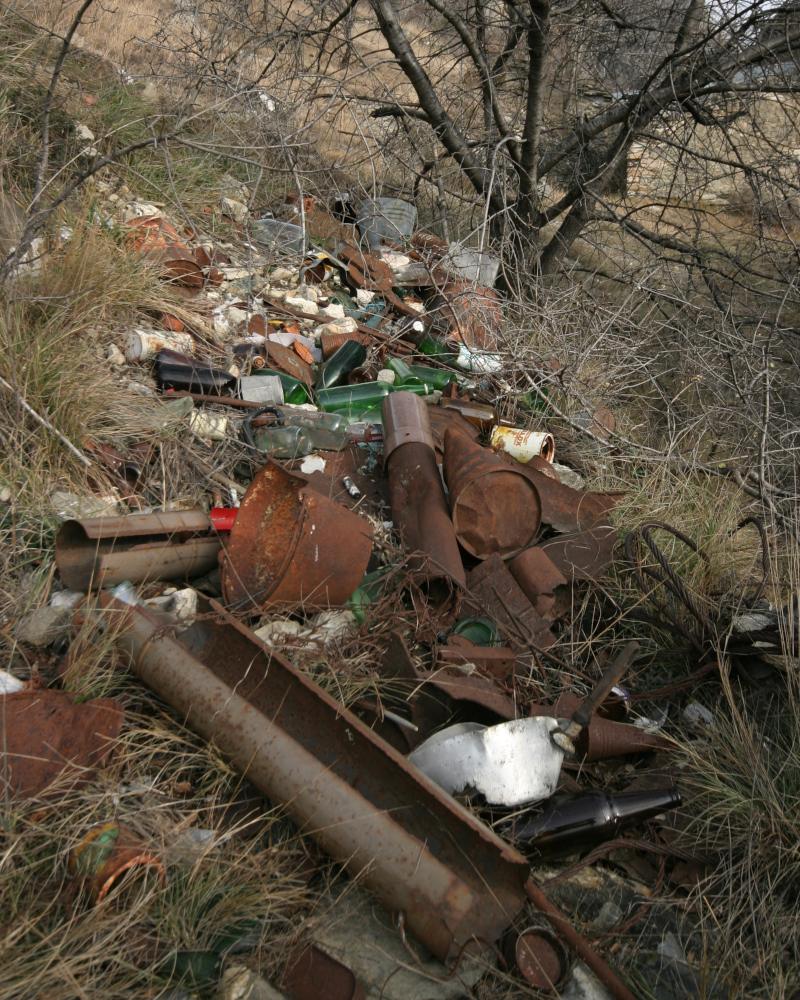
An illegal dump in the Natural Reserve of the Orrido di Foresto.
Luca Giunti informs two motorcyclists about the rules to be followed in the Parks. - Arch. Parchi Alpi Cozie
What if everyone did that? - Arch. Parchi Alpi Cozie
An illegal dump in the Natural Reserve of the Orrido di Foresto. - Arch. Parchi Alpi Cozie
The summer is the season of highest visitation to the Parks and the busiest time for park rangers, both in terms of monitoring and surveillance. Because as the presence of people, tourists, shepherds, and activities in general increases, so does the likelihood of crimes against the environmental heritage. The challenge is to spread the culture of respect for the rules that aim to ensure coexistence between humans and nature in Protected Areas. Sometimes this is done through punitive measures, as Luca Giunti describes, the new head of the Surveillance Area in the Parks of the Cozie Alps.
Protecting a public good
Generally, a romantic image is attributed to the work of park rangers. Men and women who spend entire days in nature with their binoculars observing wildlife and plants, taking notes in a notebook, and occasionally intervening to rescue an injured animal. While this is true for part of the time, to which are added – for the sake of detail – hours of forced hiking on steep and rugged paths, early morning rises before dawn, and endless watches in the biting cold or under the scorching sun, there are a number of other more concrete and less idealizable tasks. The semantic origin of the term "guard" lies in the verb "to watch," aimed at study, protection, and surveillance, providing us with a complete picture of the responsibilities assigned to the green uniforms operating in the Parks of the Cozie Alps.
“Often it is forgotten – begins Luca Giunti, recently appointed head of the Surveillance Area of the Protected Areas of the Cozie Alps – that we are effectively a law enforcement agency. On one hand, we have specific skills as true naturalists, and on the other hand, we must be thoroughly knowledgeable about civil and criminal law. However, I prefer to define us as law enforcement forces tasked with ensuring peaceful coexistence between humans and the environment, which can be considered a public good in a park. For this reason, I always correct those who call me 'park ranger' because my role is not simply to observe, but to actively protect, also sanctioning those who violate a rule.
Much like the urban officer who has authority over their municipal territory, park rangers have jurisdiction within the Parks and Regional Nature Reserves, as well as within the boundaries of the Natura 2000 sites managed by the agency that employs them. They are effectively agents and officials of Judicial Police.
“Beyond studies and naturalistic monitoring – Giunti continues – our work is mainly about building relationships with those who live in the parks, with those who work there, and with those who visit for leisure. We are the figures citizens turn to for information of all kinds: from advice on a Sunday hike to indications for carrying out forestry work. We suffer when we spend a day in the office because our main task is to patrol the territory and provide support to those in need. It is part of the good reputation we enjoy and that we must constantly continue to build.”
Preventing is better than sanctioning
Of course, a surveillance body is also tasked with sanctioning those who commit illegal acts.
“Completing a report is always a defeat – reflects Giunti – because it means we have not been able to prevent the illegal act. After all, many of the illegal behaviors that can occur in a Park are, in fact, damages to the community that are difficult to compensate for. The most obvious case is poaching because wildlife is an inalienable asset of the State, from a legal point of view. But even a common act like picking a flower prevents other visitors from enjoying its sight. And if that action is repeated and repeated for the thousands of people who visit a Park, the consequences become much graver for the habitats and the damaged species. Unfortunately, in the report we must prepare at the end of each year, we can only indicate the number of sanctions we have issued and not the violations we have prevented. But it is clear that part of our work is dedicated to spreading the culture of the environment and the mountain and respect for the rules, also ensuring that those who have violated a rule will not do so again because they have understood its significance.”
Many people, however, argue that the rules within the Parks are too strict and represent an obstacle for those who want to live and work in the mountains.
“If we look at it from the perspective of the more serious crimes, those that cause significant damage to the environment – concludes Giunti – I can state that the regulations inside and outside protected areas are the same. The difference is that in a Park, there are park rangers who patrol the territory and know it deeply. I am referring, for example, to certain illegal dumps we have identified, or the improper disposal of construction waste, which is a common practice outside protected areas simply because adequate controls are not carried out. In fact, those who have the interest and pleasure of carrying out work or initiatives within protected areas in compliance with the rules know that they can find, within the surveillance body and the various offices of the Park Authority, staff available to find the most effective and least costly strategies to streamline bureaucracy in order to always ensure coexistence between humans and the environment.”
You might also be interested in...
- campaign thwarted theft in the Avigliana Lakes
- campaign Clearer flight bans with drones in protected areas
- campaign Two virtuous supply chains for managing the meat obtained from the containment of wild boars.
- campaign Wild boar meat distributed in Avigliana
- campaign Concorso pubblico per titoli ed esami per tre figure di Guardiaparco - Agente di Vigilanza
- campaign A bond of security. Dogs on a leash in parks
- campaign Mushroom Gathering 2024
- campaign The reasons for an obligation: Artva, probe and shovel
- campaign Maya has obtained the anti-poison dog certification.
- campaign 39 anni da guardiaparco. Domenico Rosselli racconta una carriera nella natura