The wolf in Piedmont: the results of the monitoring 2023-2025
March 12, 2026 Research

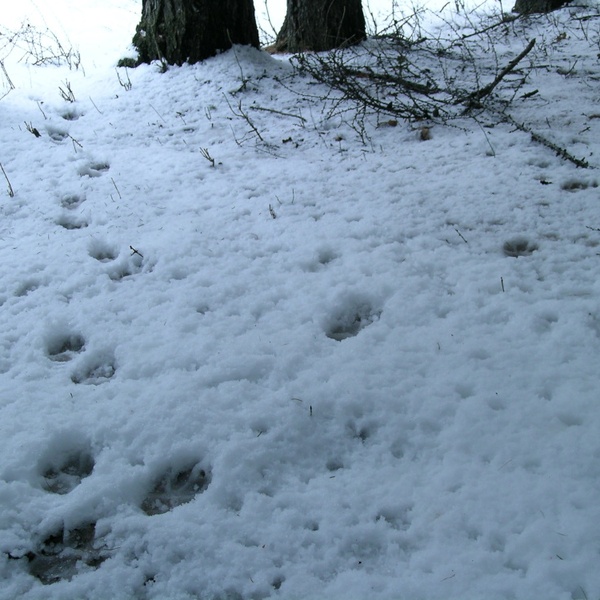
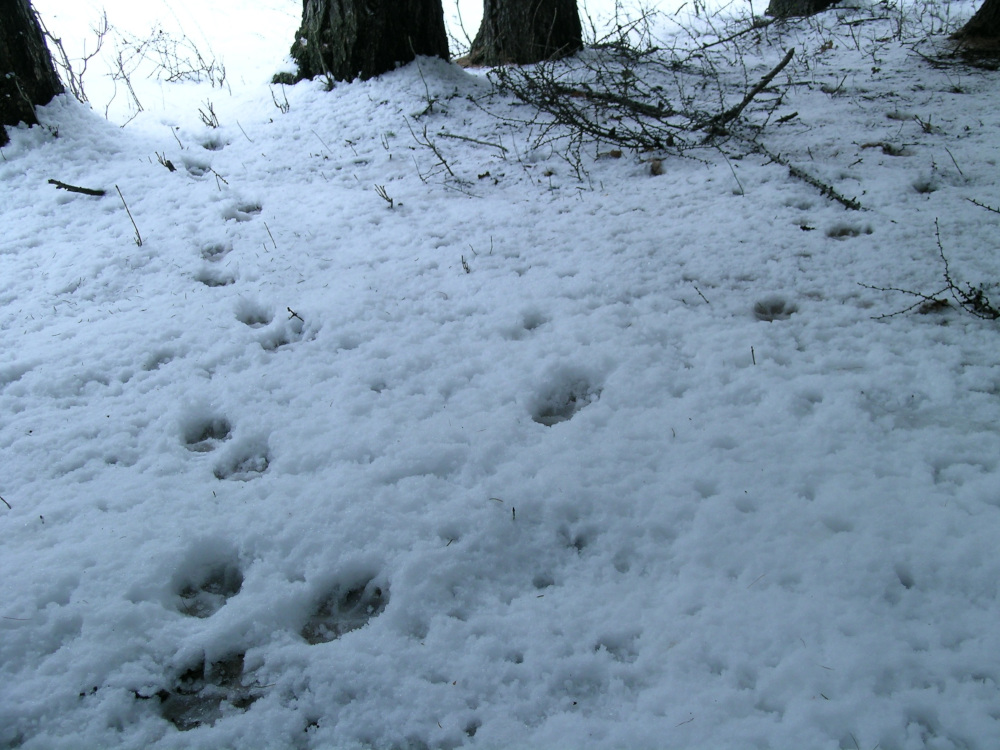
Wolf tracks in the snow are very useful during monitoring.
The title page of the report
Wolf tracks in the snow are very useful during monitoring. - Arch. Parchi Alpi Cozie
The title page of the report
Over 25,000 kilometers of transects covered, thousands of presence signs collected on the ground, and hundreds of genetic samples analyzed in the laboratory. These are some of the numbers that illustrate the extensive monitoring work of the wolf carried out in Piedmont in the last two years. The results are compiled in the new report The Wolf in Piedmont 2023-2025, created within the framework of the European LIFE WolfAlps EU project and subsequent activities of the AfterLIFE Plan, which provides an updated overview of the population status and monitoring activities carried out in the last two years.
The monitoring is coordinated through the Wolf Network Piedmont, a network that involves managing bodies of protected areas, including the Parks of the Cottian Alps, universities, Forestry Carabinieri, wildlife technicians, and numerous volunteers. In the winter of 2023-2024 alone, over 600 operators from about fifty entities and organizations participated in the activities. Field activities include systematic monitoring of presence signs along predetermined transects, the use of camera traps, and the collection of biological samples for non-invasive genetic analysis.
In 2023-2024, the year of intensive monitoring, almost 10,000 presence signs attributable to the wolf were collected. The following year, 2024-2025, the monitoring continued extensively and still recorded over 6,000 presence signs, confirming a now widespread distribution of the species in the mountainous areas of the region.
Genetic analyses play a central role in understanding the population structure. In the 2023-2024 sampling, more than 1,400 biological samples were analyzed, allowing the identification of 365 different individuals and the reconstruction of familial relationships and movements between packs. This information forms the basis for estimating the size and dynamics of the alpine population.
On a larger scale, estimation models indicate that in the northwestern alpine sector – Piedmont, Liguria, and Aosta Valley – the population has reached approximately 768 individuals, up from about 680 estimated in the 2020-2021 monitoring. The increase corresponds to an average annual growth rate of about 4%, signaling a population still on the rise but with dynamics that are progressively stabilizing in the mountainous areas that have been occupied for a longer time.
In the territory of the province of Turin and the Protected Areas of the Cottian Alps, monitoring has provided particularly interesting information on the dynamics of the species, documenting two interesting cases of dispersal. The first concerns a female wolf originating from Alexandria that settled in the Susa Valley, while the second involves a young male sampled in the Chisone Valley and later found in the Vermenagna/Pesio Valley, where he occupies the role of alpha in the pack. At the same time, the report documents 5 confirmed cases of wolf-dog hybridization, of which 2 occurred in the Susa Valley. These are rare episodes but are carefully monitored because they can represent a critical issue for the conservation of the species.
The report also addresses the issue of wolf mortality, a phenomenon that continues to be recorded each year and is often linked to anthropogenic causes, particularly road accidents. Monitoring carcasses and causes of death is an important piece of the puzzle in understanding population dynamics and identifying any potential risk factors in the territory.
Among the prevention and protection activities is the work of anti-poison dog units, engaged in combating the illegal use of poisoned baits and lures. Several specialized teams operate in Piedmont, two of which are part of the Protected Areas of the Cottian Alps, contributing to control and remediation activities in collaboration with the Forestry Carabinieri.
Overall, the results of the 2023-2025 monitoring highlight the value of an established monitoring system, based on collaboration among institutions, researchers, and operators in the territory, essential for tracking over time the evolution of a species that has returned to occupy mountain ecosystems stabilly.
Click here to download the report.
You might also be interested in...
- campaign The wolf in the Alps: new data from the 2023–2024 monitoring
- campaign Final conference LIFE WolfAlps Eu: a report
- tactic Life WOLFALPS EU
- tactic LIFE12 NAT/IT/000807 LIFE WOLFALPS
- campaign Monitorare gli ortotteri: una sperimentazione nei Parchi Alpi Cozie
- campaign Climate change is pushing birds higher.
- campaign The impacts of vehicle traffic on the Assietta
- campaign Two days of discussion on water resource management
- campaign The territorial distribution of mustelids in a study
- campaign The research days: a report