Activity
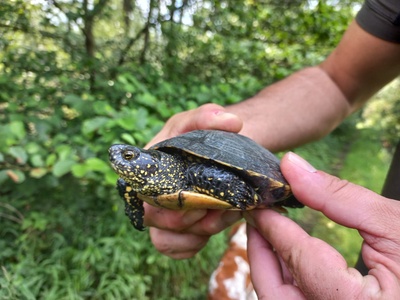
The nightmare of naturalists
Starting from a discussion on the meaning of biodiversity, we will arrive at what can be defined as its main threats, among which, often by voluntary choice on the part of humans, is the spread of alien species.
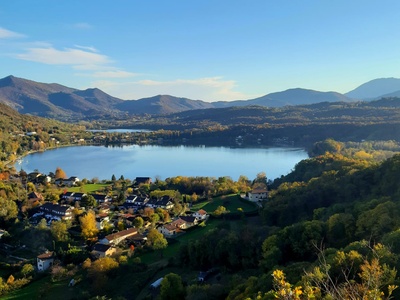
To make a lake. Geomorphology and Ecology of the Avigliana lakes
The lakes and their environments
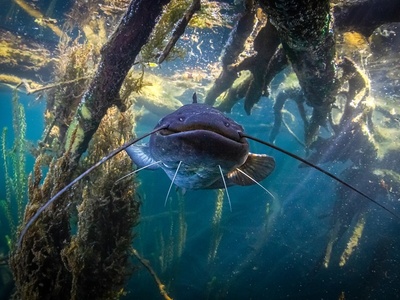
From water, life. A story of fish.
Starting from the appearance of fish, we will follow their evolution up to today's fish and then address the topic of alien organisms and the Life Predator project, with particular reference to the catfish.

Who eats whom. Humanly inclusive, naturally exclusive?
The educational activity aims to explore the differences between native and non-native species and to develop a reflection with the students on the value of diversity.
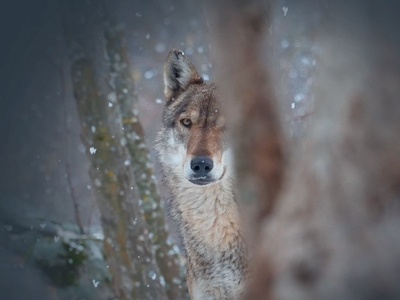
A Wolf in a Backpack - A journey among the wolves of yesterday and today with a thought for tomorrow
If you think of the wolf, what comes to mind? Who is it, where does it live, what does it eat? Should we be afraid of it? We will learn to know the "real" wolf, we will be able to distinguish it from the animal present in stories and from the sensationalistic one evoked in newspapers.
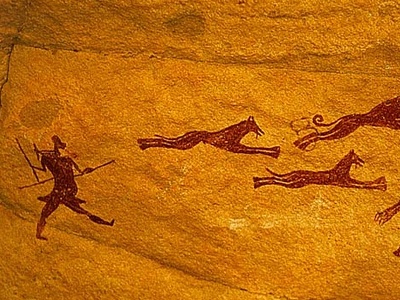
A Wolf in a Backpack - Gods or Demons? Stories, Myths, and Folklore
What is the first adjective that comes to mind when you think of the wolf? Bad, good, cunning, hungry, aggressive, mysterious...? The presence of the wolf, real or imaginary, has always accompanied human beings. The course will explore the relationship between man and wolf over time and history, drawing on literary materials (classical literature, fiction, myths, and popular local and non-local legends) that will be provided to the class as a stimulus and starting point for a broader reflection.
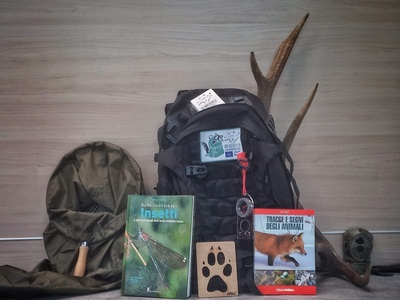
A Wolf in a Backpack - Reading and Interpreting the Territory to Reconnect with the Environment
The choice to dedicate a path to the landscape arises to highlight the similarities between wolves and humans and to analyze the environment that surrounds us in a more detailed way.
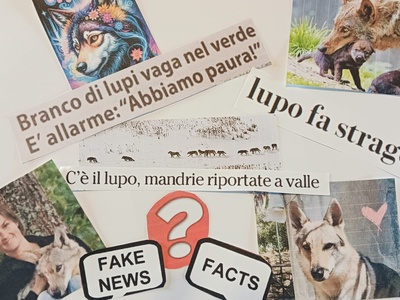
A Wolf in a Backpack - Teaching Earthly Identity for Possible Coexistence
An increasingly anthropized Earth urgently requires us to reflect on the needs, critical issues, limits, and strategies necessary for sharing spaces with other living beings and utilizing the planet's resources. A path that will challenge our ability to engage in dialogue-listening.
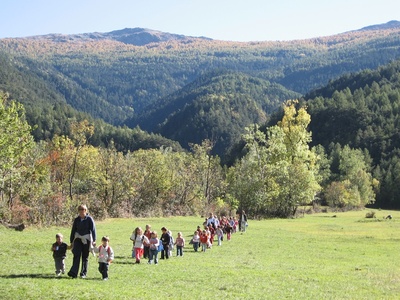
A Wolf in a BackPack - Una giornata nella scuola del bosco per piccoli lupi
Una giornata nella scuola del bosco per piccoli lupi con prove e giochi di scoperta per diventare dei curiosi esploratori capaci di "vedere" la natura.
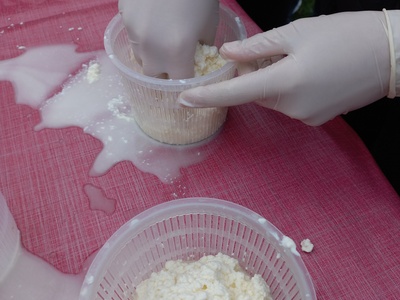
Cheese, a world to discover