A fruitful scientific fishing session for catfish
April 29, 2026 Research

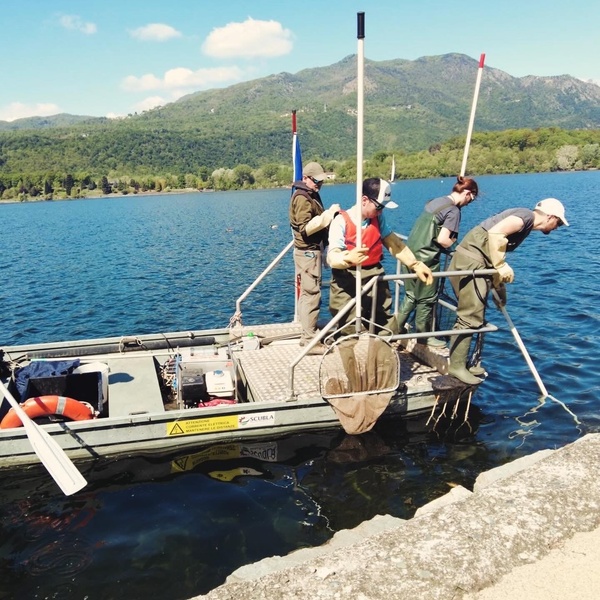
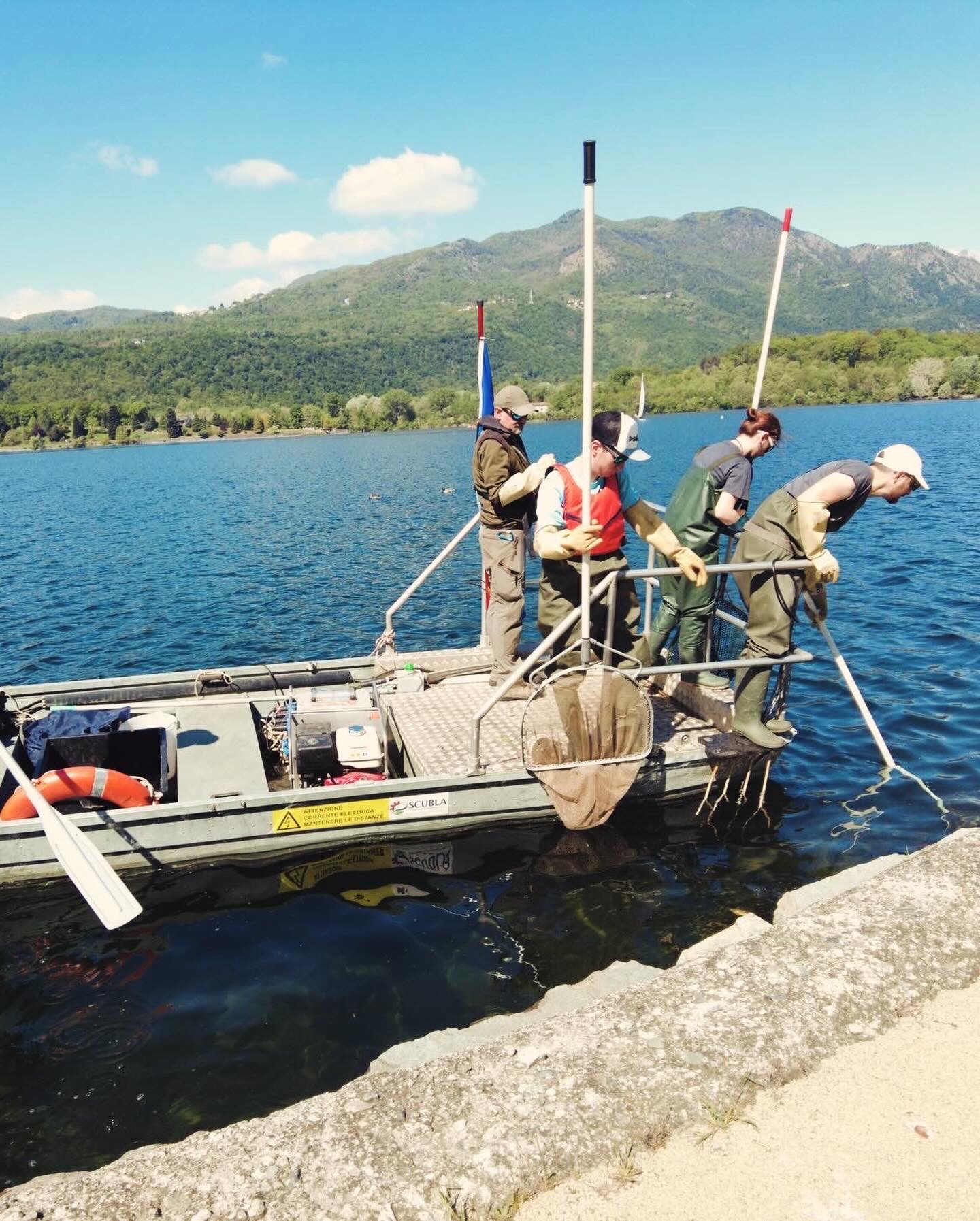
Electrofishing activities on Lake Grande di Avigliana.
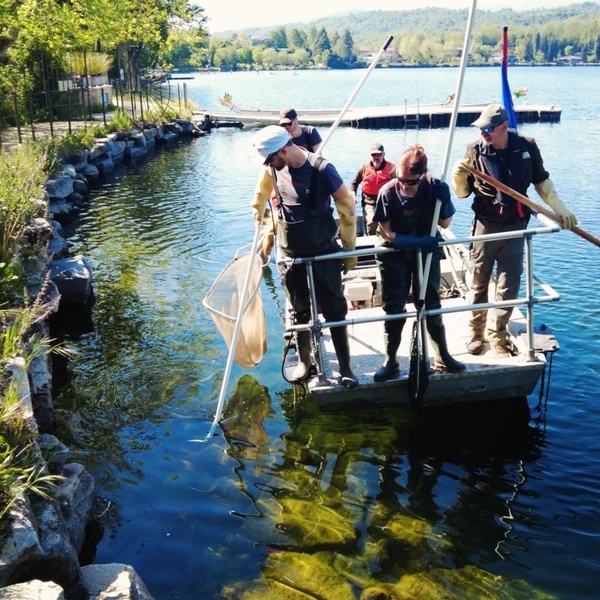
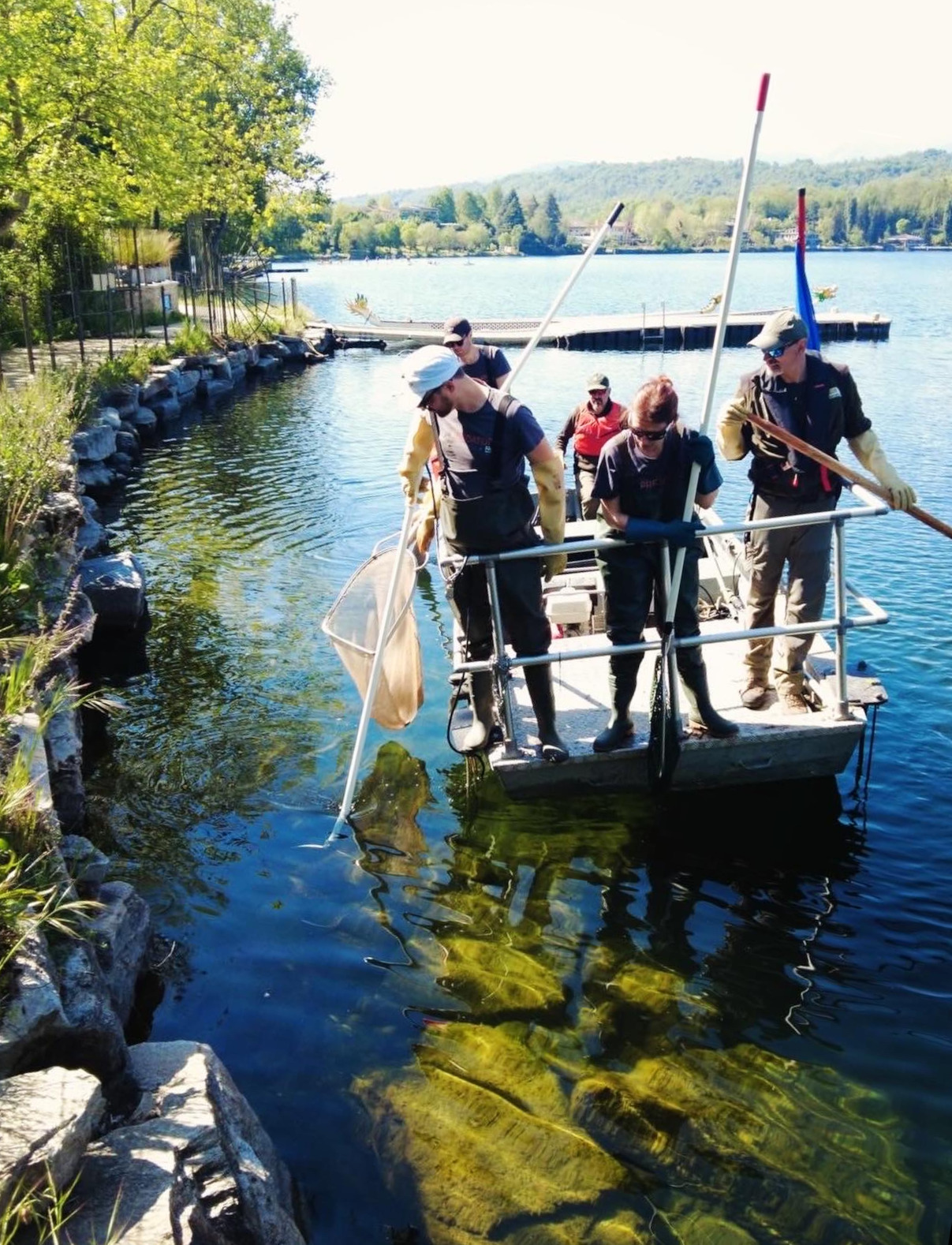
Activities of electro-fishing on Lake Grande di Avigliana.
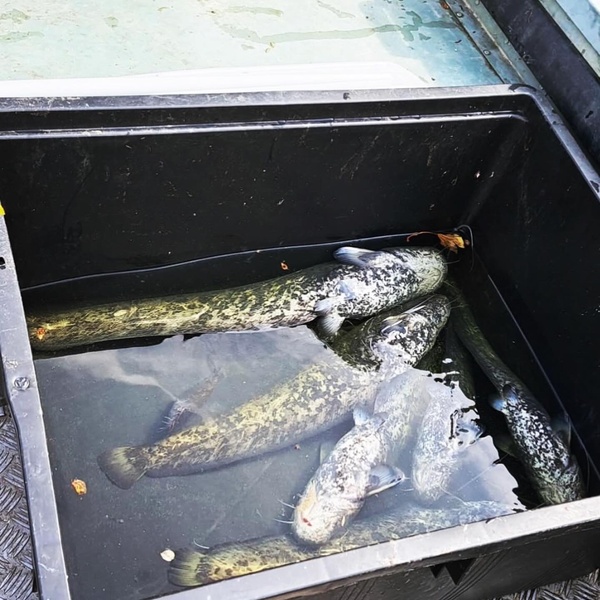
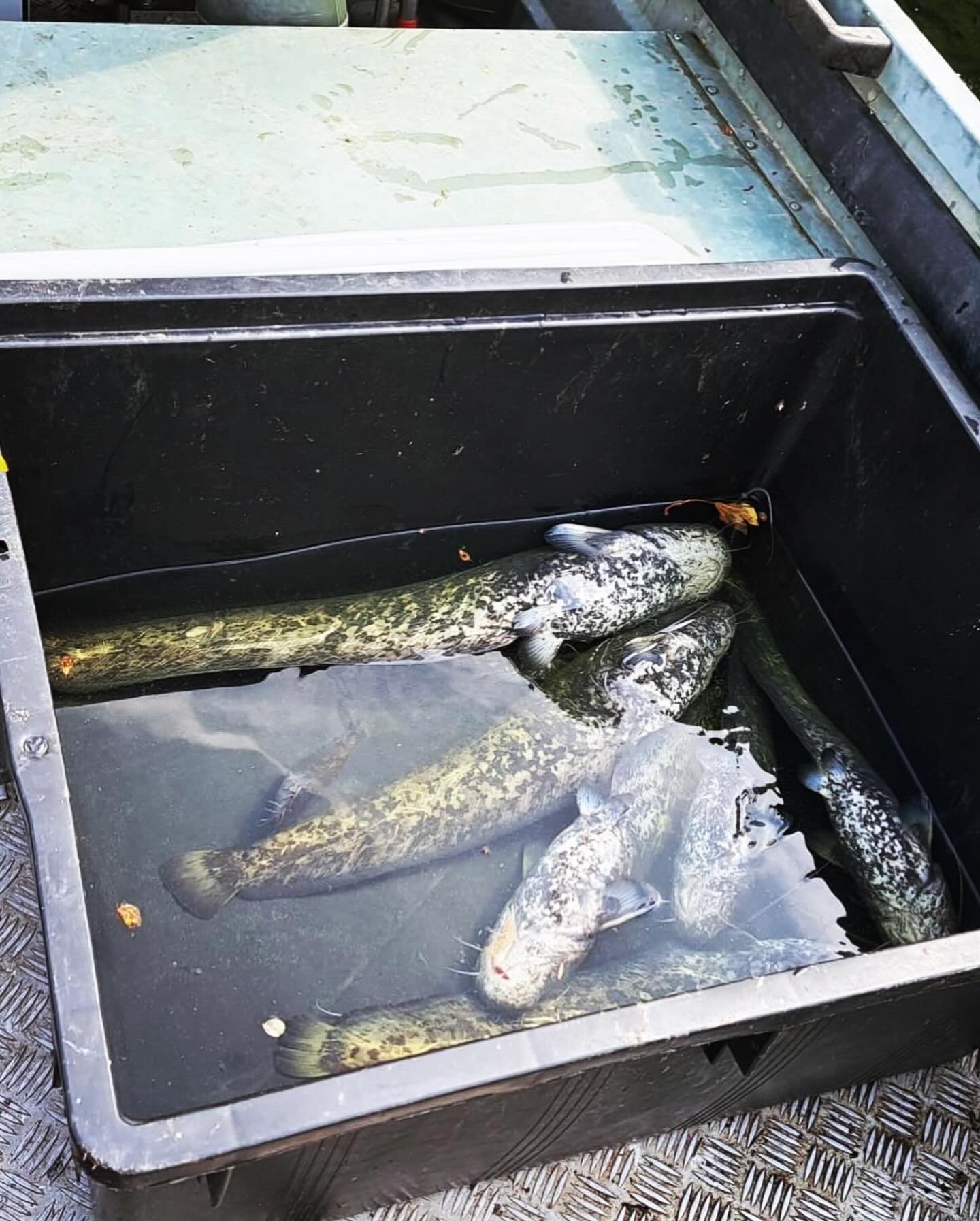
Some catfish individuals collected from the Grande Lake of Avigliana.
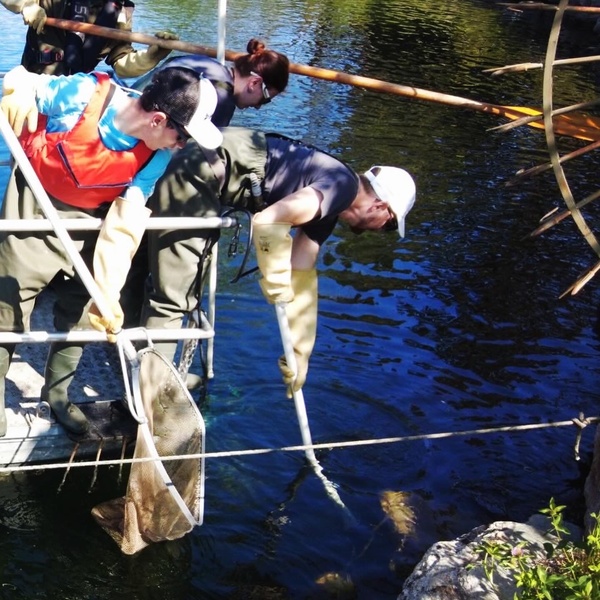
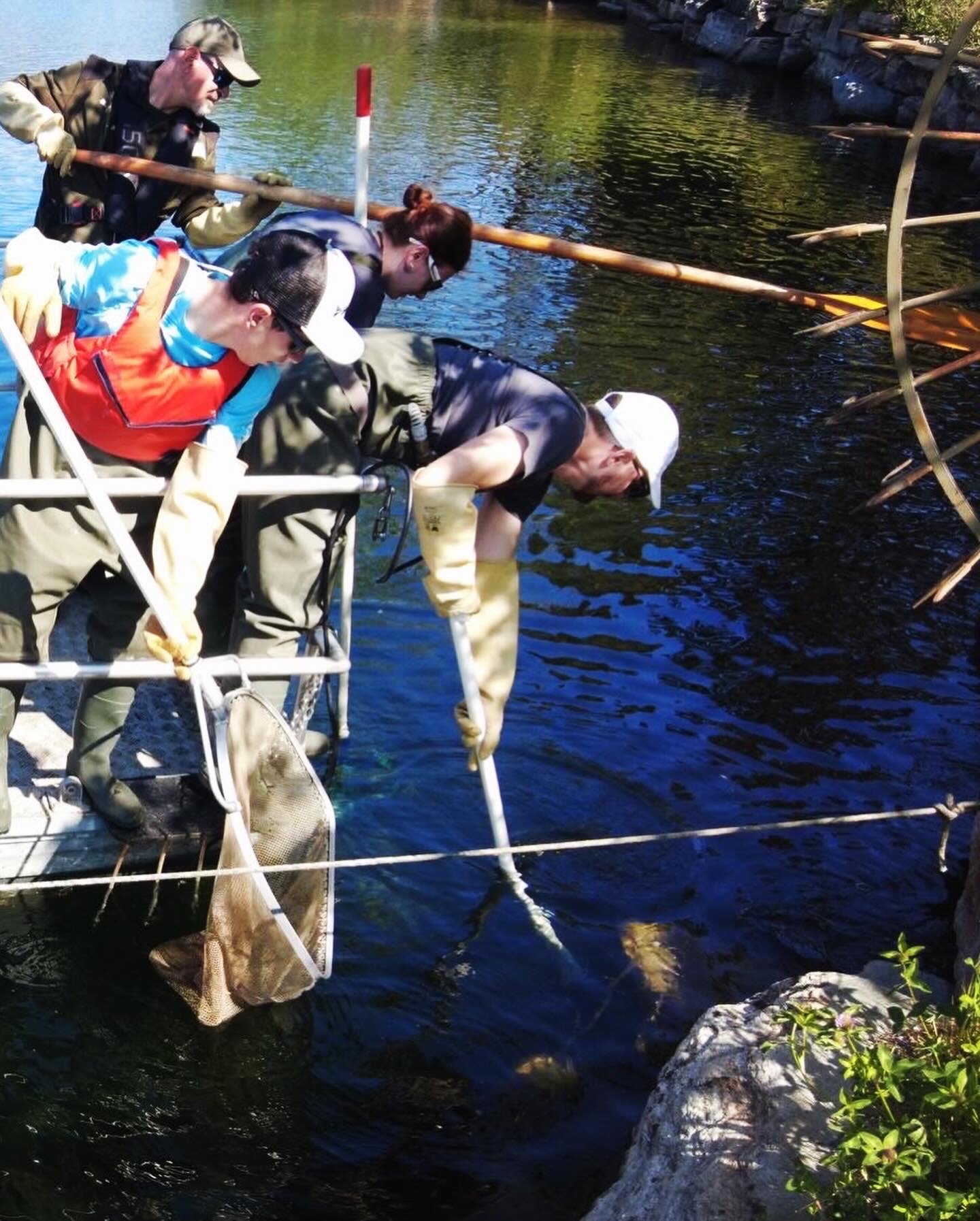
Electrofishing activities on Lake Grande di Avigliana.
Electrofishing activities on Lake Grande di Avigliana. - S. Bobbio
Activities of electro-fishing on Lake Grande di Avigliana. - S. Bobbio
Some catfish individuals collected from the Grande Lake of Avigliana. - S. Bobbio
Electrofishing activities on Lake Grande di Avigliana. - S. Bobbio
From April 16 to 23, an important session of scientific fishing for wels catfish took place in the Avigliana Lakes Natural Park. The operations were conducted by the staff of the National Research Council – Water Research Institute (CNR – IRSA), Coordinator of the Life Predator Project, of which the Protected Areas of the Cozie Alps are partners, to contain the Silurus glanis from the freshwater basins of southern Europe where it is an invasive alien species.
The activities took place on the Lago Grande di Avigliana where, over 5 days of work, 130 individuals of the aquatic predator were collected for a total of 322 kg of biomass. The technique used is electrofishing: through a special machine mounted on a boat, an electric shock is applied to the water that temporarily stuns the fish, allowing for the recovery of Silurus glanis individuals with a net. The team of technicians, assisted by park ranger staff from the Cozie Alps Parks, focused their work along the shores of the lake, particularly in areas characterized by small cavities and underwater nooks where catfish like to take refuge.
Some numbers
Overall, the average length of the 130 fish caught amounts to 65 cm with an average weight of 2.6 kg. For 97 of them, it was possible to determine the sex, which turned out to be almost evenly split: 48 males and 49 females. The largest individual measured 120 cm in length and weighed 10.7 kg, but many small fish measuring less than 1 kg were also caught. The team also analyzed the stomach contents of the catfish taken from the lake, noting the species’ known voracity: in 84 of them, it was possible to identify prey within the digestive system, 40 had empty stomachs, and 6 individuals could not be precisely determined. Notably, 67 catfish had fed on shrimps presumably belonging to the invasive alien species Procambarus clarkii, also known as the Louisiana red swamp crayfish, while traces of Dreissena polymorpha or zebra mussel, also considered an invasive exotic species, were found in 7 of them. The other prey primarily identified in the stomachs were sun perch and real perch, present exclusively in 15 individuals, or together with the shrimps in 17.
An experience to replicate
From a management perspective, the excellent collaboration received from the holders of economic activities on the lake and in general from tourists, who did not hinder the team, should be emphasized, as they expressed their appreciation for the work done on several occasions. It is therefore planned to replicate with a new session around mid-May. All information will be provided in advance as soon as the exact dates are identified.
You might also be interested in...
- campaign Professional fishing for catfish is starting.
- campaign Withdrawals and removal of catfish in the Avigliana Lakes: the 2025 report
- campaign The scientific fishing for catfish in the month of May
- campaign Scientific fishing for catfish with the sonar.
- campaign Recreational anglers fishing for catfish: the video that tells the story of the activity in Avigliana.
- campaign Life Predator in schools: a first assessment
- campaign The second newsletter of the Life Predator
- campaign In Portugal with the Life Predator project
- campaign Riprende la pesca dilettantistica al pesce siluro
- campaign thwarted theft in the Avigliana Lakes