From a passion for nature to a life as a park ranger
Jan. 28, 2026 Ente Parchi Alpi Cozie

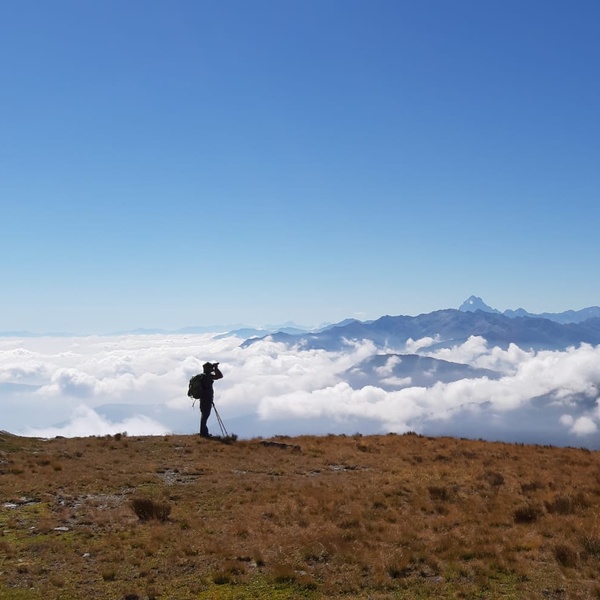
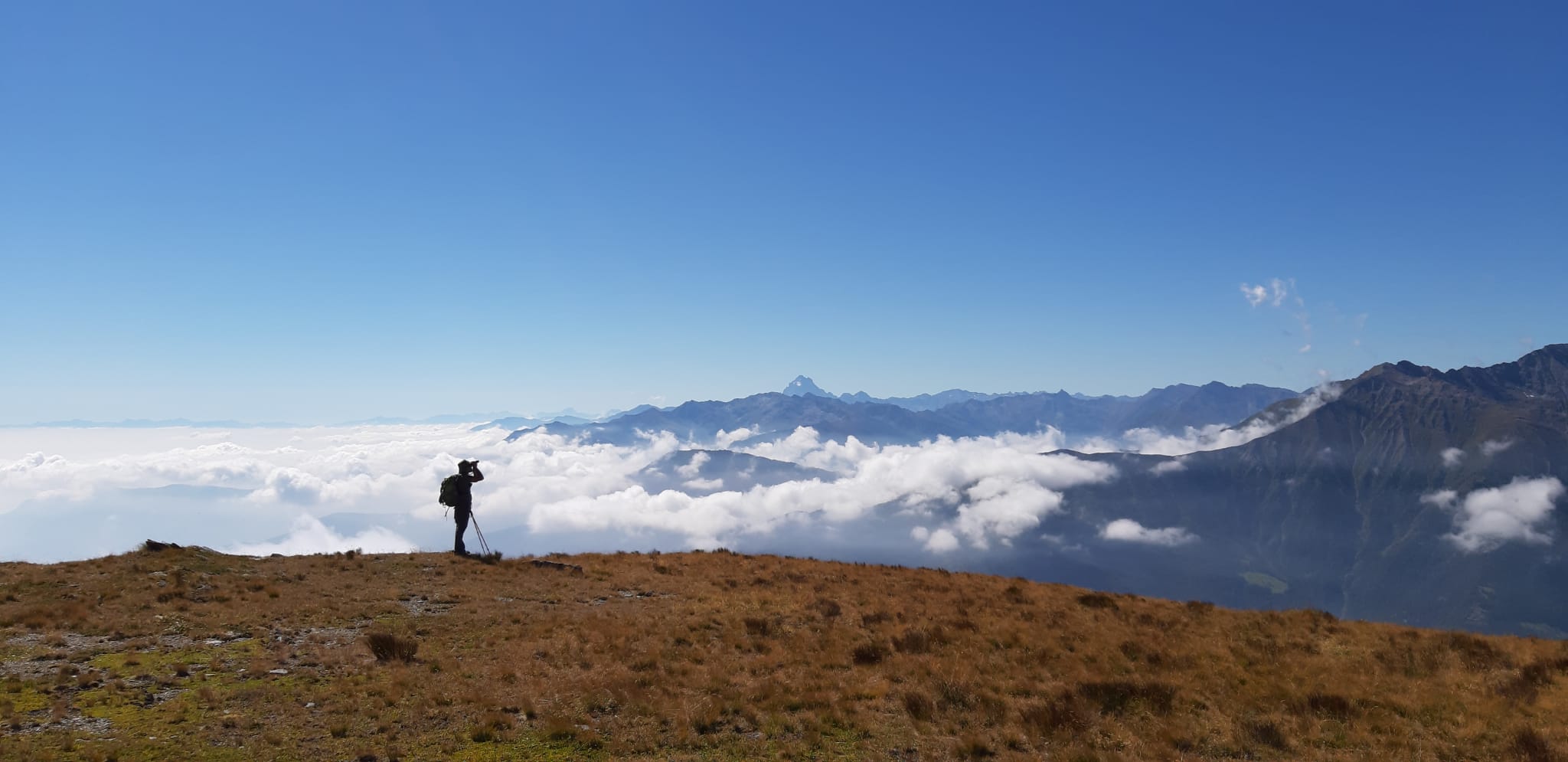
Bruno Frache in the classic pose of a park ranger at Colle Orsiera.
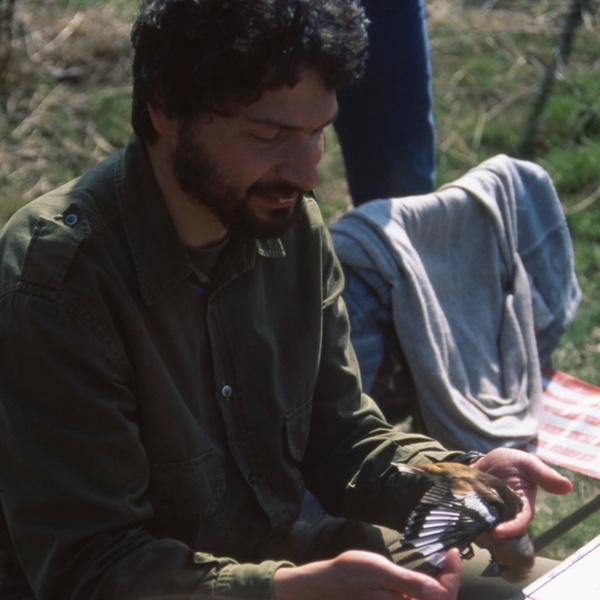
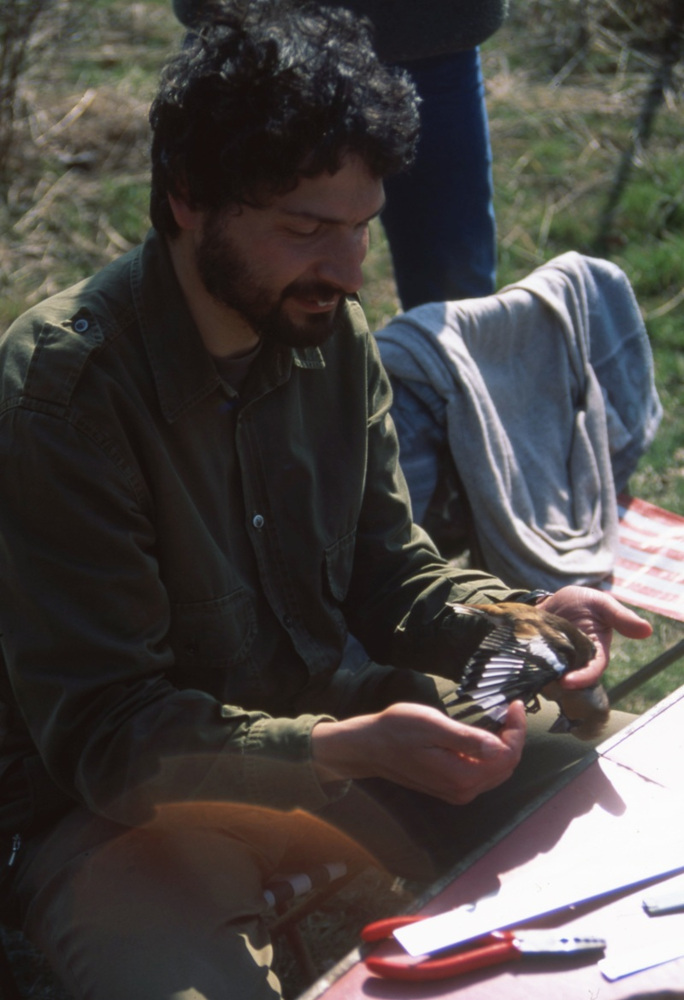
Bruno Frache during a ringing session in 1997.
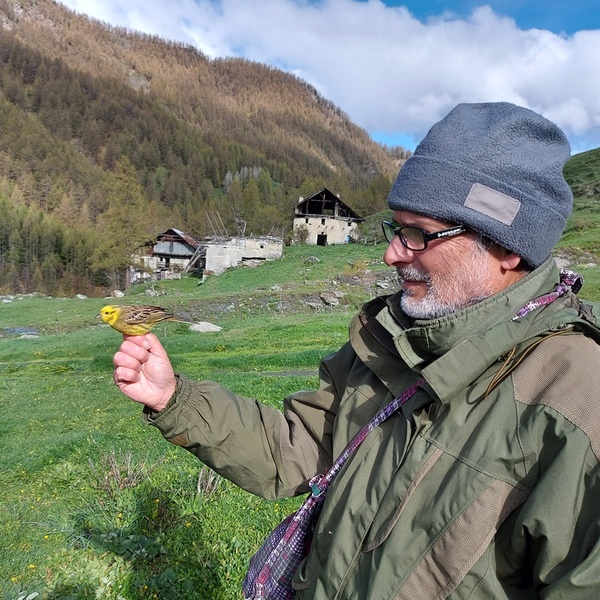
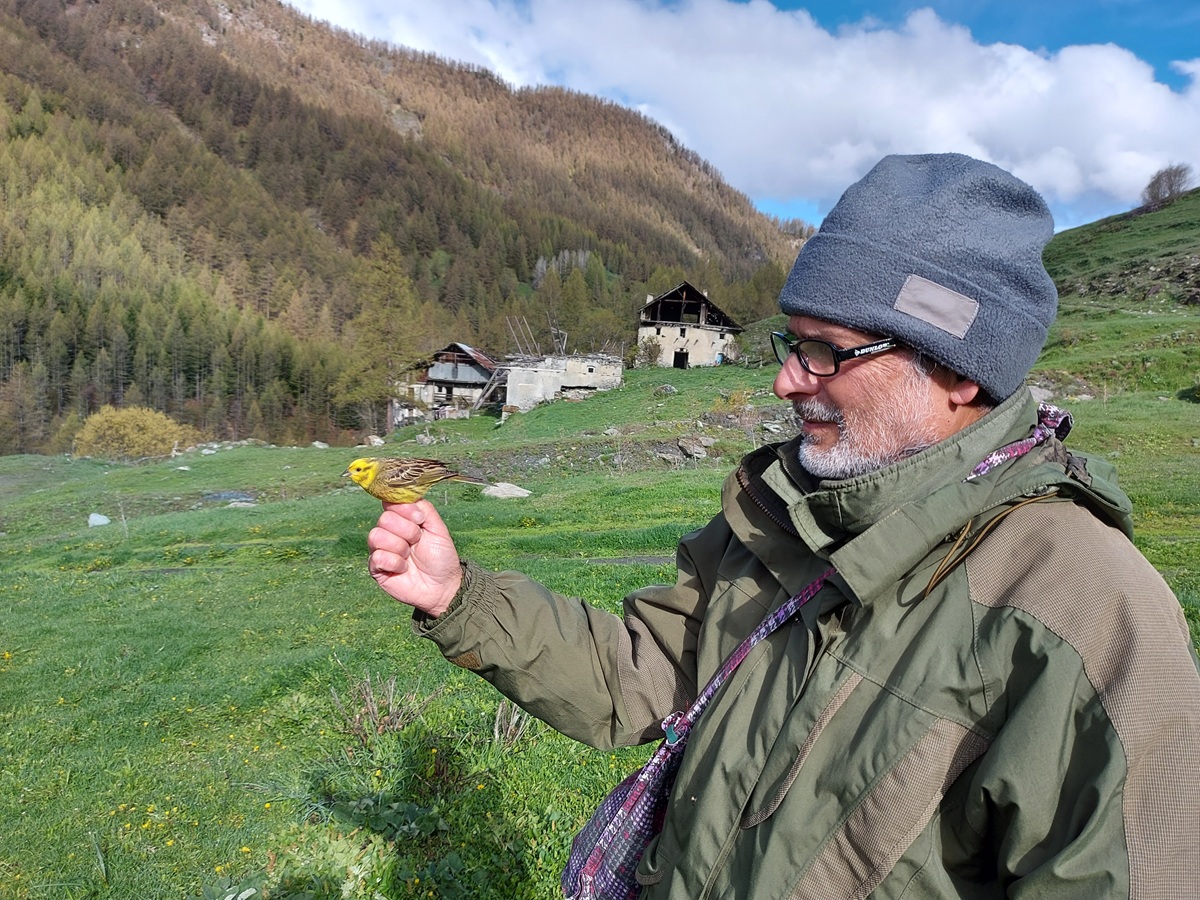
Bruno Frache during a recent ringing session.
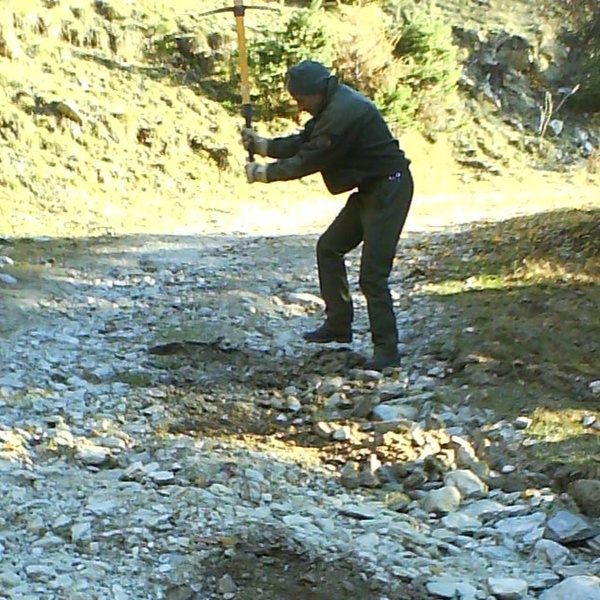
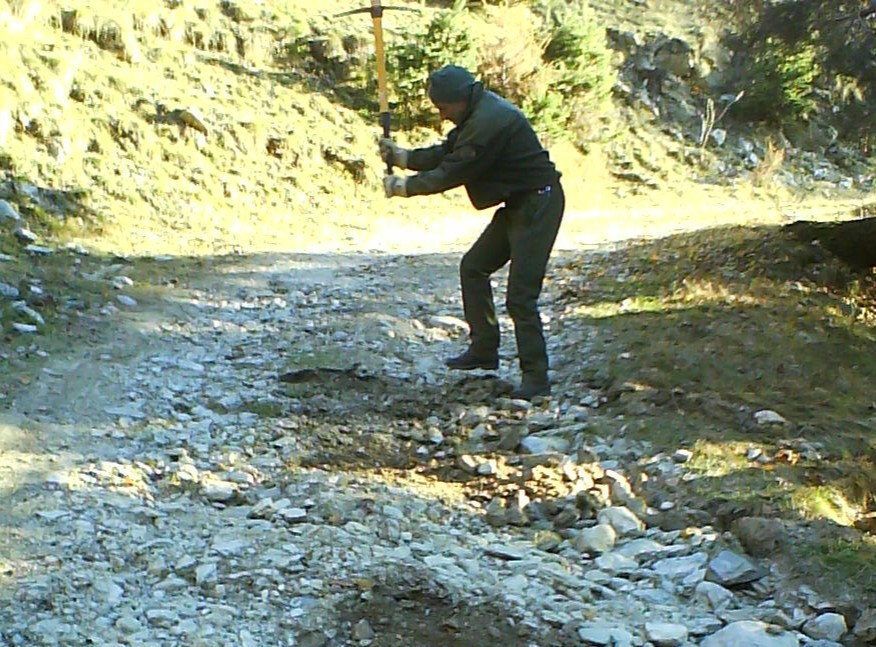
Bruno Frache engaged in land maintenance work.
Bruno Frache in the classic pose of a park ranger at Colle Orsiera. - Claudia Metti
Bruno Frache during a ringing session in 1997. - Domenico Rosselli
Bruno Frache during a recent ringing session. - Domenico Rosselli
Bruno Frache engaged in land maintenance work. - Andrea Pane
“I have been passionate about nature and mountains since childhood, but before enrolling in university, I was unaware of a profession like that of a park ranger.”
The tone is calm, the words flow interspersed with the typical pauses of someone who reflects carefully before expressing themselves. Bruno Frache officially retired on December 1, 2025, after a whole career in a role he hadn't dreamed of as a child but which he desired and achieved as a young adult thanks to dedication and expertise, managing to shape his existence by correctly balancing work life, family life, and his passions in a spirit of harmony and consistency.
“I grew up in Torre Pellice – Frache recounts – spending time in the mountains and its natural environment first with my parents and then independently, when the regional parks didn’t yet exist. Then, in 1984, Claudia Metti, who would become my wife, was hired at the Val Troncea Nature Park, also as a park ranger. After obtaining my degree in forestry sciences, I attempted this fascinating path, passed the exam, and started working on September 1, 1987, at the Orsiera Rocciavré Nature Park, at the Pra Catinat site, just after returning from military service.”
How has the work of a park ranger changed?
“At first, everything was to be discovered and invented. We had a lot of decision-making autonomy, but much of the work was dedicated to maintenance because there were no workers yet, and to education because the office was located in Pra Catinat in the school accommodation center established at the time by the Province of Turin and the Piedmont Region. Two days a week, from September to June, we accompanied 4 or 5 classes at a time to discover the ecological peculiarities of the area. Over the years, my passion for computers led me to develop that type of skills for the organization, training colleagues, assisting them, and eventually developing the first website for the Orsiera Rocciavré Park. I must admit, in recent years, with the aches of age, I didn’t mind having the opportunity to alternate outdoor work with work in front of the computer in the warmth of an office.”
What was your way of interpreting the monitoring duties?
“I certainly appreciated scientific work more, the monitoring of flora that I had studied at university, and accompanying school groups. Then, of course, the role of park ranger also requires intervening against those who do not respect the rules. It is a very delicate task because I have always believed more in preventing violations rather than punishing them. Sanctioning activities can be counterproductive if applied without first informing the public and users about the rules that are often violated out of ignorance rather than malicious intent. The classic example is collecting a small bouquet of flowers during a walk, but fortunately, it is an increasingly rare case.”
Would you like to share a particular anecdote?
“One morning, at dawn when we began our shift, someone reported seeing strange lights coming from the Fort of Fenestrelle. At the time, the structure was not open to visitors because it was in a state of abandonment before the renovation that made safe access possible. We decided to conduct a site inspection and began exploring its various rooms in search of any traces. Soon we entered a hall whose walls had been smeared with Celtic crosses and swastikas. Then we encountered writings that praised strange Nordic deities. Finally, in the last barracks, we found a blocked door. After some hesitation about what to do, also because we were unarmed at that time, we decided to break in, but we found some young people peacefully sleeping in sleeping bags after organizing some esoteric ritual during the night. We identified them and proceeded with the necessary sanctions and reports, but the tension that day had been very high! In any case, I have never liked the role of a police officer.”
How did you balance work and family life with your wife Claudia, who is also a park ranger?
“The fact that we shared the same interests was undoubtedly an added value. On many occasions, we took advantage of our vacation time to visit other parks and protected areas. For both of us, the passion went beyond work. The most difficult aspect was managing family life with the organization of shifts. From this perspective, Claudia had to change jobs, moving to the Natural Reserve of Rocca di Cavour and then to the Natural Park of Avigliana Lakes to be closer to home. Then, in recent years she came to Orsiera where we began to do shifts together. The idea came during the pandemic: since we lived under the same roof, we didn’t run the risk of infecting each other during work. And, since it worked, we continued until our retirement.”
From your point of view, how has the use of parks changed over the years?
“Regarding the reality of Orsiera Rocciavré, I have observed a significant increase in visitors in general. It seems to me that more and more people are going to the mountains on foot and by bike, engaging in summer and winter hiking, mountaineering, and ski mountaineering, both during the canonical periods and off-season or during the week. The positive aspect for the environment is that the habit of having picnics in the meadows, which was very common when I started, has faded while there is more tendency to frequent refuges and high-altitude accommodation facilities that have become increasingly welcoming. I must also admit that park visitors have become more compliant with the rules and more respectful of the ecosystem they come to visit.”
How do you assess the health of the territory you have worked in and know so well?
“Together with awareness-raising and education activities for visitors, the establishment of parks has undoubtedly limited urban development and the expansion of ski facilities, creating a positive impact on the environment. Wildlife has benefited greatly, as demonstrated by the success of the ibex reintroduction or the return of the wolf, but the forests have also grown a lot. Certainly, the climate crisis and drought in recent years are felt and cause significant damage, but certainly less within protected areas.”
You might also be interested in...
- campaign 39 anni da guardiaparco. Domenico Rosselli racconta una carriera nella natura
- campaign Climate change is pushing birds higher.
- shopping_cart Le quattro stagioni nel Parco
- shopping_cart Nel Parco con gli acquerelli
- campaign Maya has obtained the anti-poison dog certification.
- campaign Valentina Mangini: 35 years as a park ranger between rigor and fantasy
- campaign A new interdisciplinary publication on communication routes and mobility in the Pinerolese valleys
- campaign The thyme of the Cozie Alps Parks on Geo
- campaign Redevelopment of the Fontana della Gerpula Trail - Amprimo Refuge
- campaign The migrations of ibexes and climate change