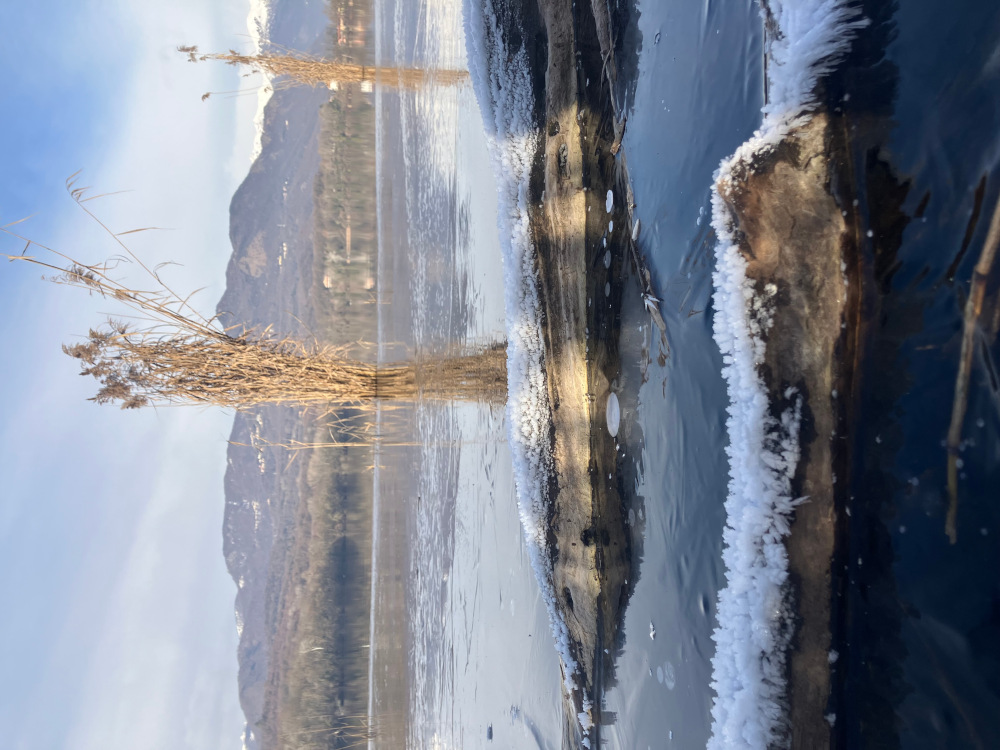
In search of the lost ice on the Lakes of Avigliana
Jan. 8, 2026 Nature

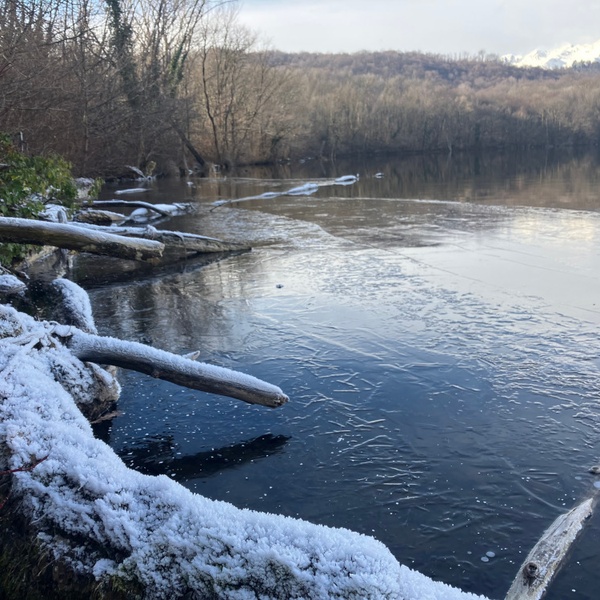
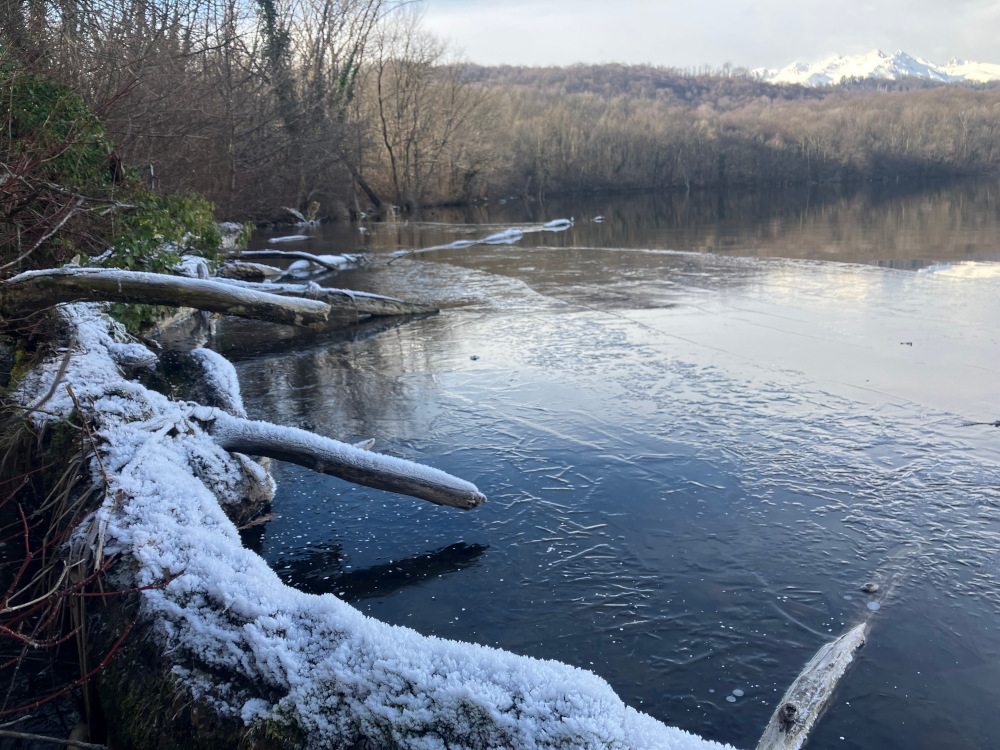
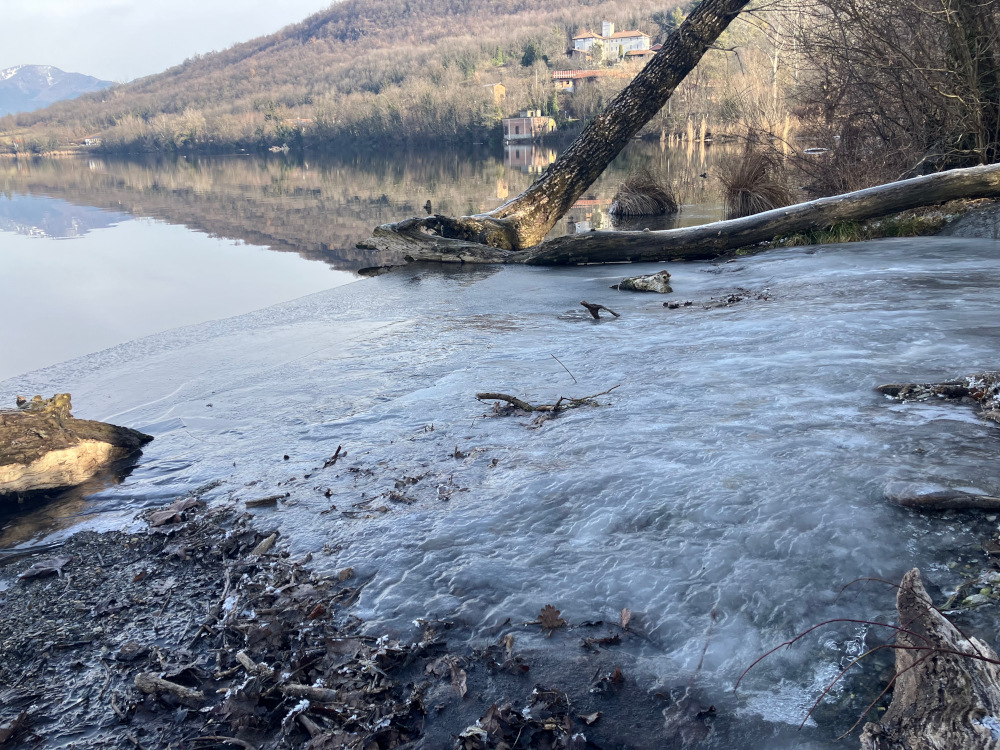
Thursday, January 8, 2026. At the peak of the cold wave, there is a low presence of ice on Lake Piccolo di Avigliana.
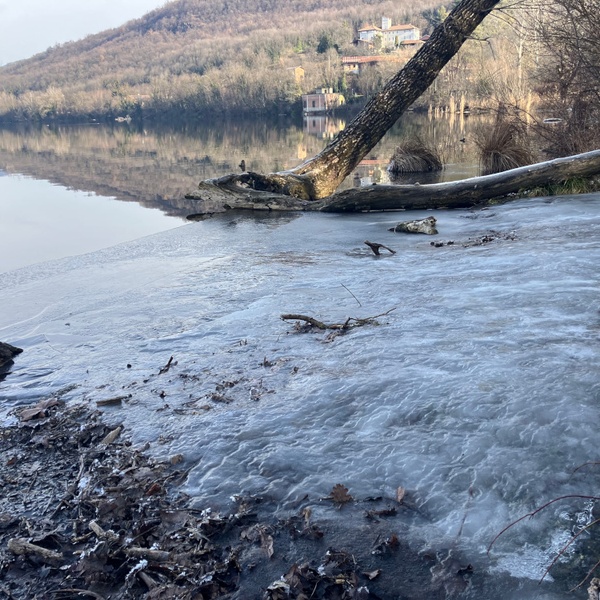
Thursday, January 8, 2026. At the peak of the cold spell, there is a scarce presence of ice on Lake Piccolo di Avigliana.
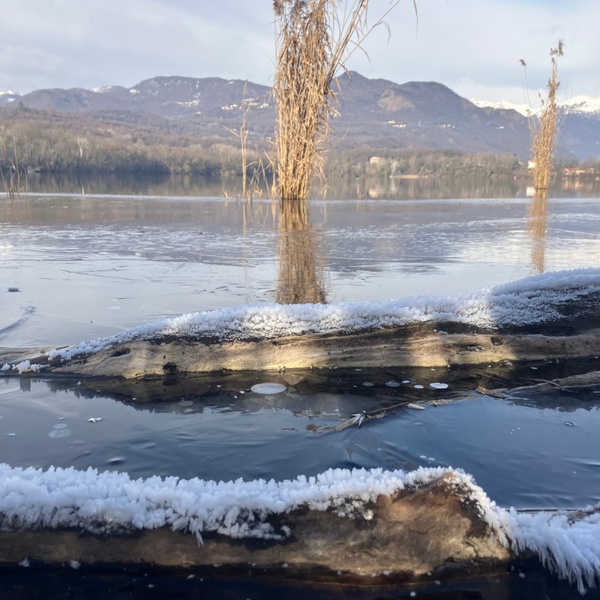
Thursday, January 8, 2026. At the peak of the cold wave, there is a low presence of ice on the Small Lake of Avigliana.
Arch. Remo Tabasso
Arch. Remo Tabasso
Thursday, January 8, 2026. At the peak of the cold wave, there is a low presence of ice on Lake Piccolo di Avigliana. - Simone Bobbio
Thursday, January 8, 2026. At the peak of the cold spell, there is a scarce presence of ice on Lake Piccolo di Avigliana. - Simone Bobbio
Thursday, January 8, 2026. At the peak of the cold wave, there is a low presence of ice on the Small Lake of Avigliana. - Simone Bobbio
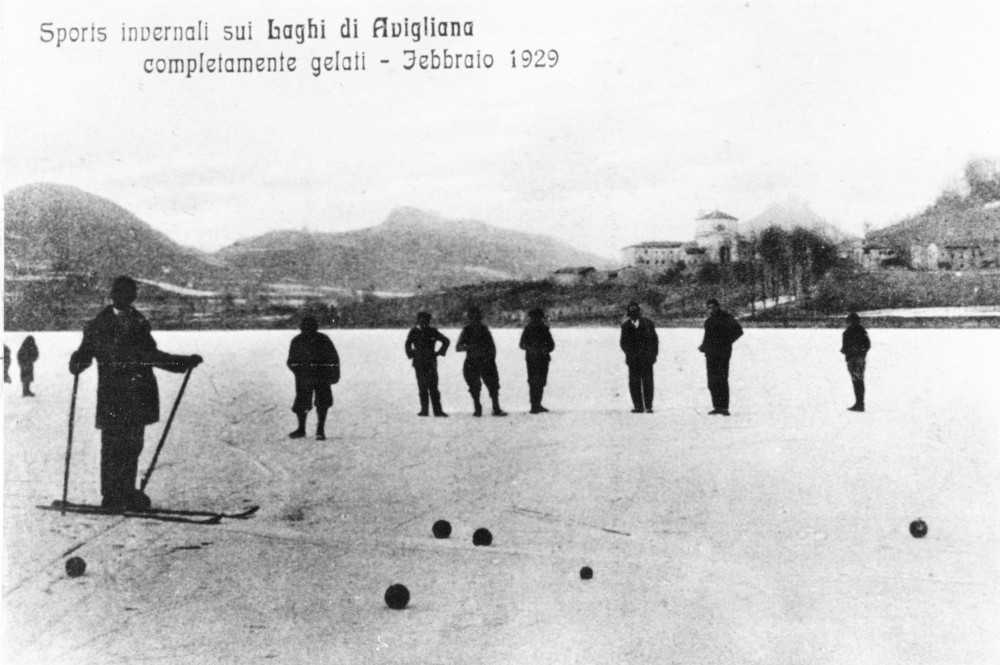
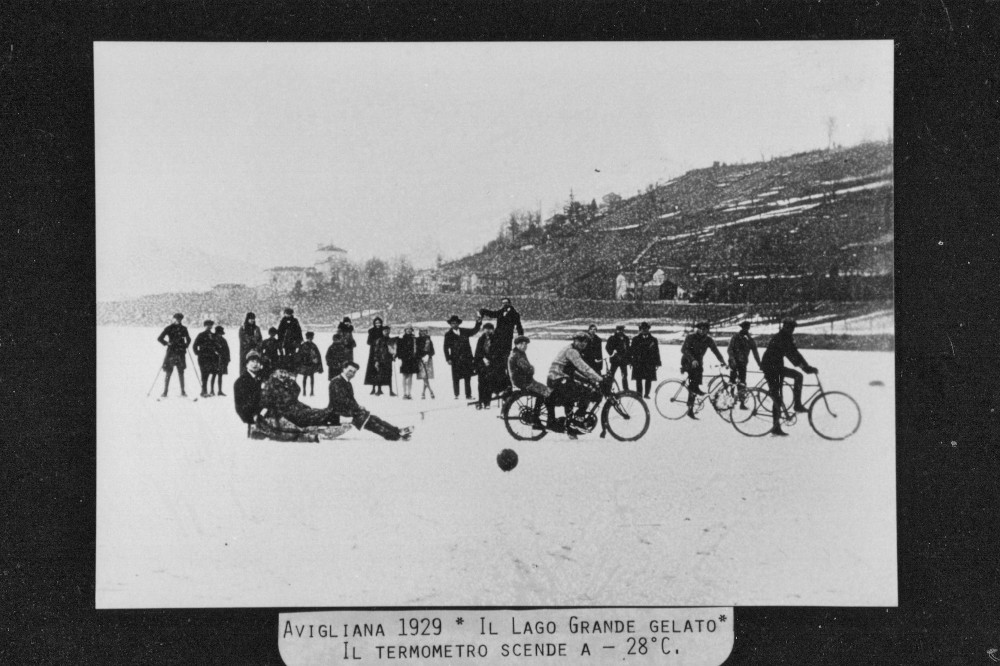
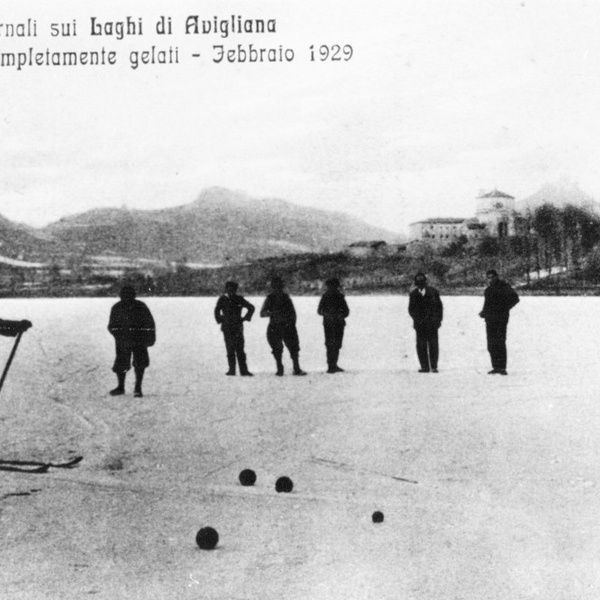
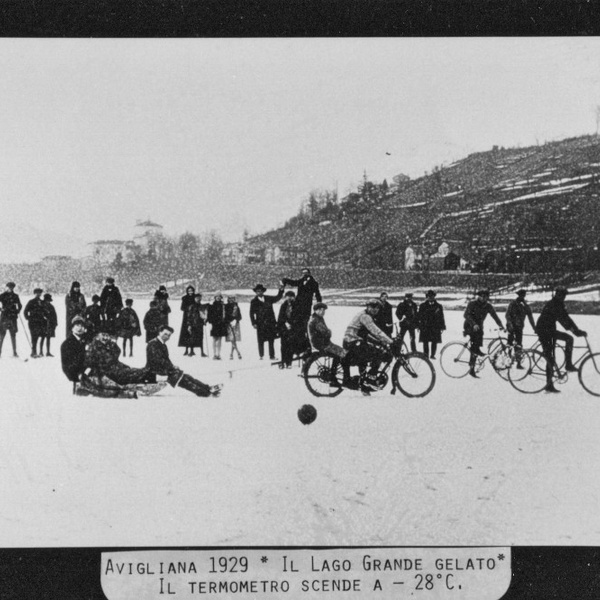
Thursday, January 8, 2026. Meteorologists state that the cold wave – likely one of the most severe in over 10 years – has peaked with recorded minimum temperatures of -9 °C in Avigliana and -8 °C in Trana, according to readings from Arpa Piemonte. Yet, on the surface of the Avigliana Lakes, there is still little ice. Chronicles tell of times when the Small Lake was crossed with carts or when it was traversed in a Fiat Topolino in 1966, while more recent history tells us that the last significant freezing events date back to the winters of 2006 and 2012.
But what are the natural dynamics that determine these phenomena whose effects we now observe less and less frequently? We discussed this with Remo Tabasso, a scholar of the natural history of the Avigliana Lakes and vice president of the Council of Protected Areas of the Cozie Alps, and with Daniele Cat Berro from the Italian Meteorological Society (www.nimbus.it).
«Beyond the extreme events that, by their nature, do not allow us to trace long-term trends – says Tabasso – we can rely on scientific observations and historical memory to affirm that the Avigliana Lakes froze much more often in the past compared to today. I am 73 years old; during my childhood and youth, the surface of the Small Lake froze almost every winter. To date, it has been almost 13 years since the last time, evidently due to climate change and the increase in average temperatures. Normally, the moment when the waters of the lakes measure the lowest temperature is around February when thermal dispersion has reached its peak during January, the coldest month. This is, therefore, the period when the freezing phenomenon is most likely to occur, coinciding with colder climate waves, especially on the Small Lake, which is shallower than the Large Lake, having almost 4 times less water mass and a lower thermal reserve.»
«Regarding the cold wave we have recorded at the beginning of this year – says Cat Berro – we must say that it has not taken on such extraordinary characteristics when we consider the winters of not many years ago. Moreover, it followed the mildest December in the last 200 years, especially in northwestern Italy, where an anomaly of about 3 °C above the average for the period was recorded. Evidently, this situation has also affected the Avigliana Lakes, whose waters, warmer than usual, did not freeze despite the abundantly negative air temperatures. To draw a final balance, we will have to wait until the end of winter, and we cannot rule out that new colder periods between late January and February may lead to a significant appearance of ice after many years. The only certain aspect is that the Avigliana Lakes are also a very precise indicator of the severity of the climate crisis we are experiencing.»
You might also be interested in...
- campaign SOS Amphibians 2025: a report
- campaign Giornata mondiale dell'ambiente: il Miriophyllum spicatum nel Lago Grande di Avigliana
- campaign SOS amphibians 2026
- campaign The second newsletter of the Life Predator
- campaign Biodiversity at risk: the Emys orbicularis
- campaign A study on the zoonoses of aquatic turtles
- campaign Professional fishing for catfish is starting.
- campaign Monitoring and prevention of fishing activities
- campaign Valentina Mangini: 35 years as a park ranger between rigor and fantasy
- campaign Recreational anglers fishing for catfish: the video that tells the story of the activity in Avigliana.