Scientific fishing for catfish with the sonar.
July 1, 2026 Research

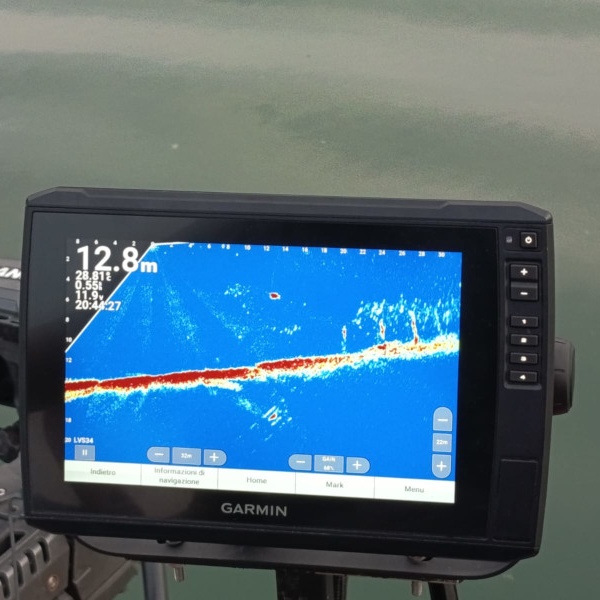
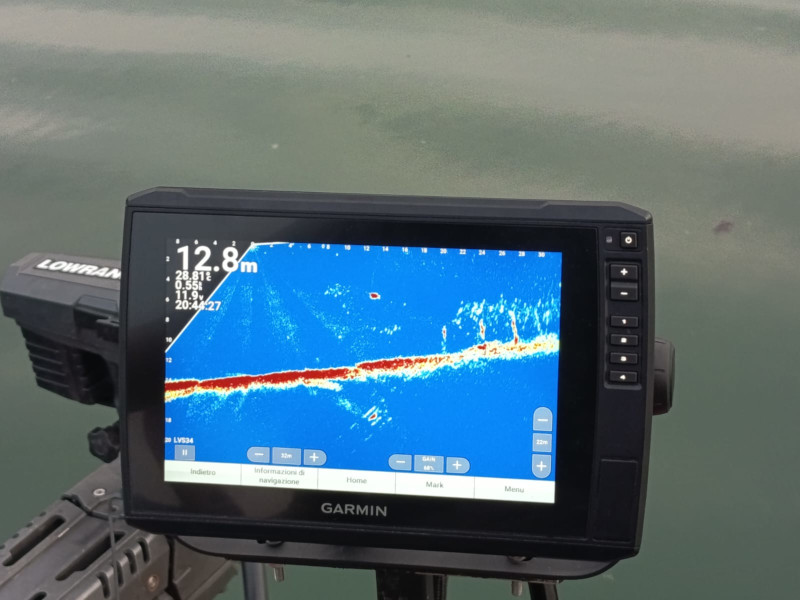
The screen displays the data detected by the sonar.
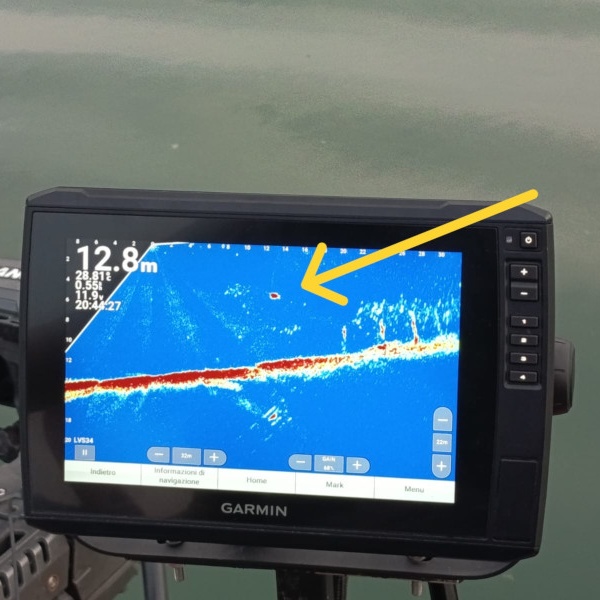
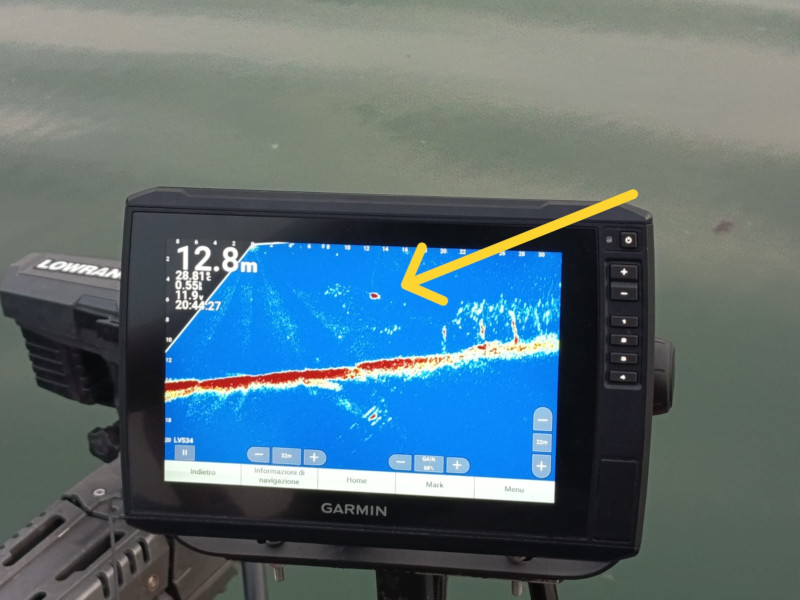
The yellow arrow indicates the outline of a large catfish detected by the sonar.
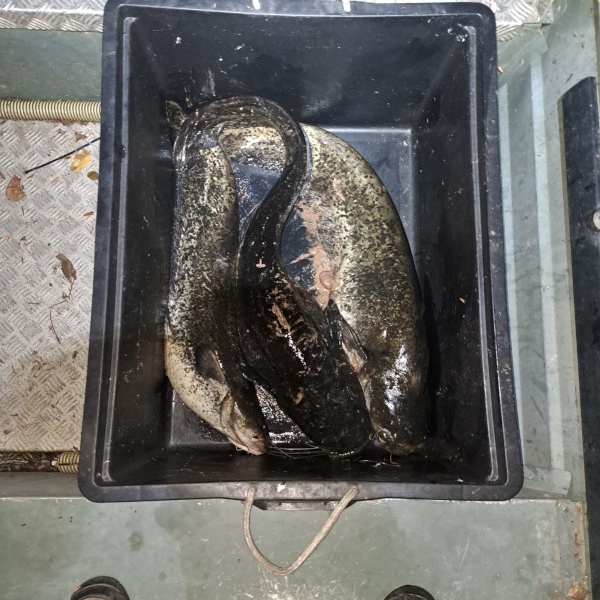
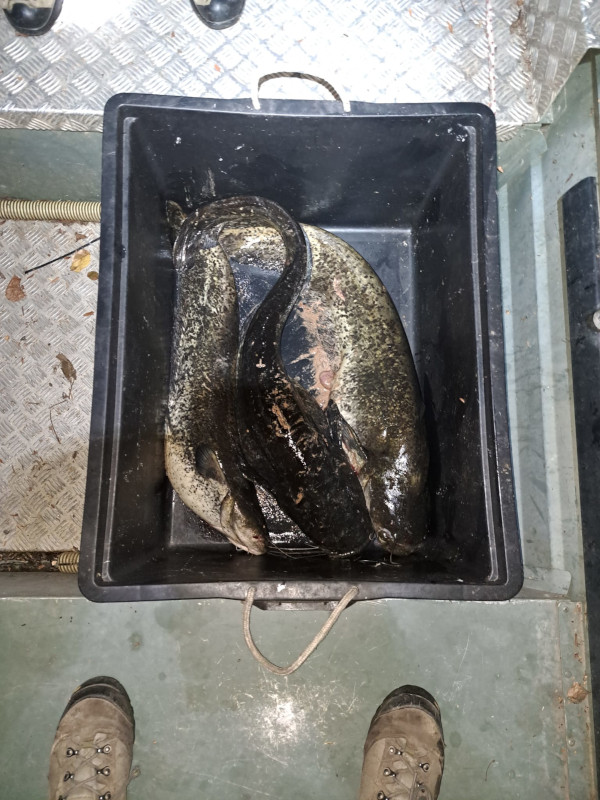
3 dei 4 pesci siluro catturati durante la sessione.
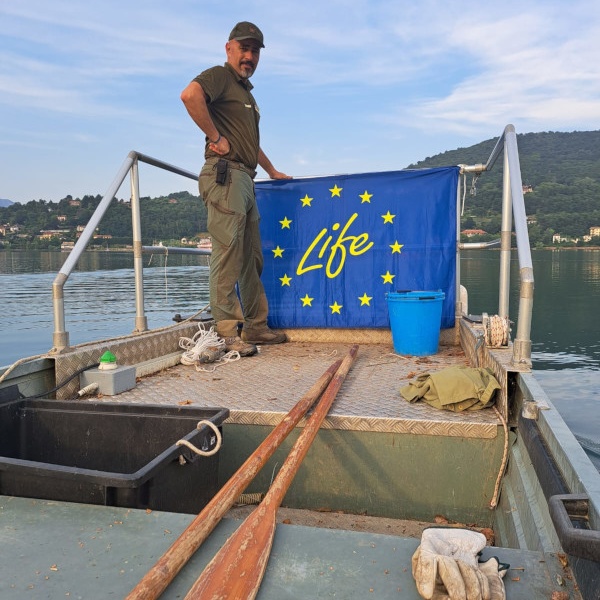
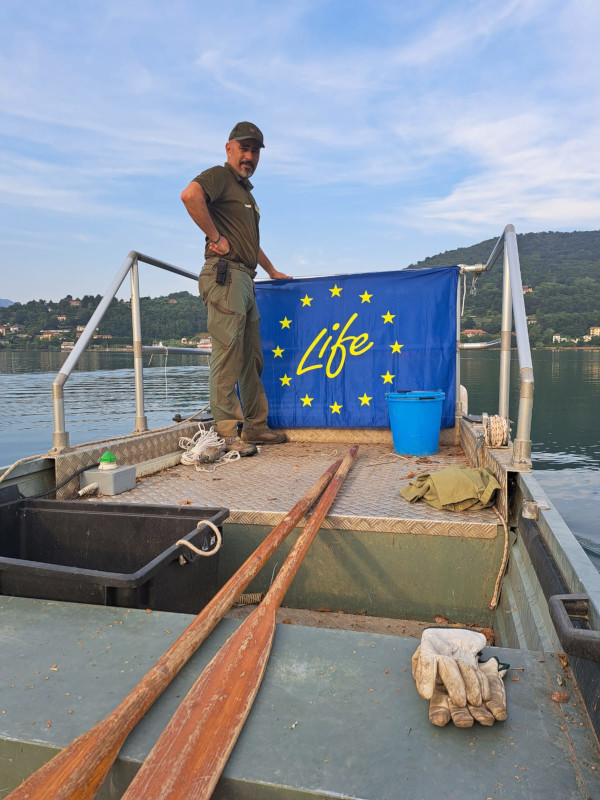
The boat used for Life Predator activities.
The screen displays the data detected by the sonar. - Arch. Parchi Alpi Cozie
The yellow arrow indicates the outline of a large catfish detected by the sonar. - Arch. Parchi Alpi Cozie
3 dei 4 pesci siluro catturati durante la sessione. - Arch. Parchi Alpi Cozie
The boat used for Life Predator activities. - Arch. Parchi Alpi Cozie
On the evening of Friday June 26, a new fishing technique for catfish was tested in the Avigliana Lakes Natural Park. This is a scientific activity aimed at identifying, using a sonar, the largest specimens of Silurus glanis that typically reside in the deeper areas of the lakes. The equipment, mounted on a specially designed boat, uses hydro-acoustic technology (emission and reception of ultrasound in the water) which can signal the presence of fish indicating their size and depth and allowing for species determination based on the form reproduced on a screen. Subsequently, the capture activity proceeds using an artificial lure that is lowered into the water near the identified specimen. The operations were carried out by a team of ichthyologists appointed by the Parks of the Cozie Alps with the support of park rangers.
This type of technique is prohibited in Piedmont and generally allowed only at sea, but in this specific case, it was authorized for scientific research purposes within the Life Predator project for the containment of catfish in the freshwater basins of Southern Europe, where they represent an invasive alien species that threatens local biodiversity.
The results
After months of capturing aquatic predators, mainly concentrated in the bank zone of Lake Grande di Avigliana, using electrofishing by the appointed ichthyologists and hook fishing with a team of specially trained amateur fishermen from the Park Authority, the experimentation with sonar allows for the initiation of a third phase of work focused on harvesting the largest individuals of Silurus glanis.
In particular, the session on June 26 held in the Lake Grande enabled the identification of over a thirty individuals of large size, among which one was approximately 2 meters long, maintaining an average depth between 6 and 8 meters. Presumably due to high temperatures making them lethargic, only 4 took the bait allowing for the extraction of about 28 kg of biomass. A small note on the side, the ichthyologists who used the sonar were pleasantly surprised by the abundance of fish fauna present in the lake, empirically confirming the results of the latest monitoring that suggested a fish community that is substantially healthy.
Beyond the limited result of the captures, the use of sonar has proven to be a valid additional resource to the techniques adopted so far in the Life Predator activities, thanks to the ability to implement a very targeted and selective fishing technique that will be further experimented in the continuation of the project.
You might also be interested in...
- campaign A fruitful scientific fishing session for catfish
- campaign The scientific fishing for catfish in the month of May
- campaign In Portugal with the Life Predator project
- campaign Professional fishing for catfish is starting.
- campaign Withdrawals and removal of catfish in the Avigliana Lakes: the 2025 report
- campaign Recreational anglers fishing for catfish: the video that tells the story of the activity in Avigliana.
- campaign Life Predator in schools: a first assessment
- campaign Riprende la pesca dilettantistica al pesce siluro
- campaign The second newsletter of the Life Predator
- campaign The Gloria Project in the high mountains